
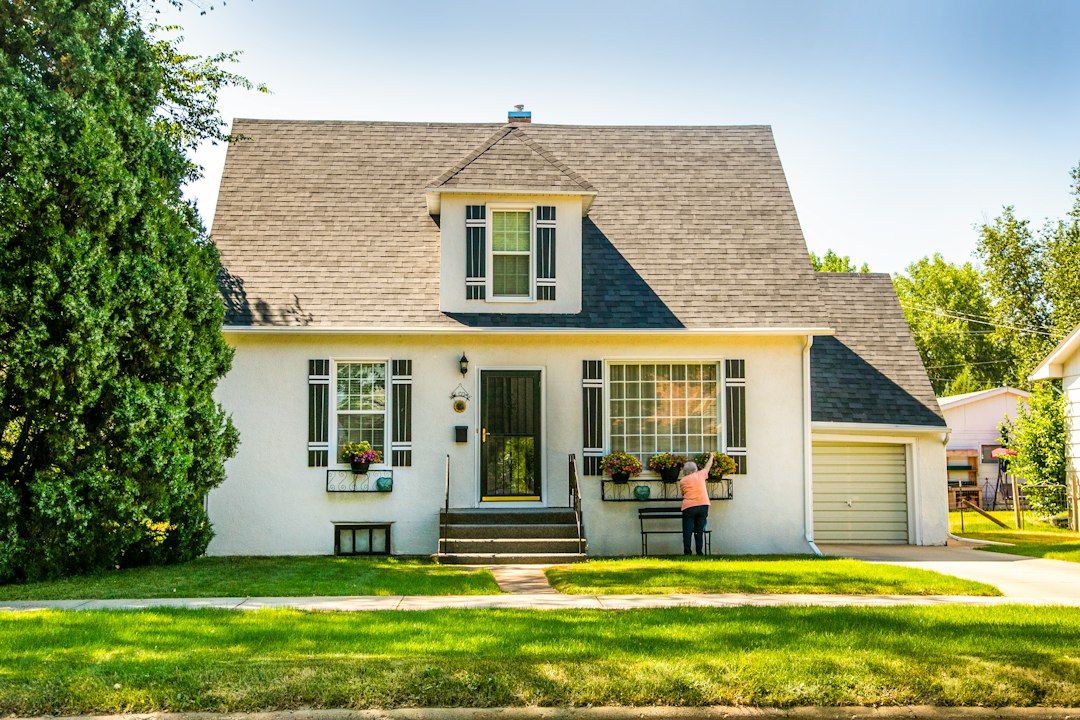
Can you really buy a house with no money? Sometimes, yes, but “no money” almost always means no down payment, not zero cost. Closing costs, inspections, reserves and repairs still need to be covered by someone. The good news is that there are proven ways to shift those costs to a program, a seller, or a partner.
This guide covers the routes for two kinds of buyers: people buying a home to live in, and investors buying to rent, resell or wholesale. Pick the section that fits you.
If you are buying a home to live in
1. VA loans
Eligible veterans, service members and some surviving spouses can buy a primary home with no down payment through a VA-backed loan, and VA loans do not require monthly mortgage insurance. The VA says nearly 90% of VA-backed loans are made with no down payment. A one-time funding fee usually applies unless you are exempt.
2. USDA loans
USDA guaranteed loans allow zero down for homes in eligible rural and many suburban areas, for buyers under the program’s income limits. Check the USDA eligibility map before you shop.
3. Down payment assistance
State housing finance agencies, cities and some employers offer grants or forgivable second loans that cover a down payment and sometimes closing costs. Paired with a low-down-payment loan such as FHA, these can bring cash to close close to zero.
4. Seller-paid closing costs
In a slower market, sellers are more willing to pay part of the buyer’s closing costs as a concession. With months of supply near 4.9 nationally in August 2026, the highest since 2015 according to our 2026 market report, buyers in many markets have more room to ask. Loan programs cap how much sellers can contribute.
5. House hacking
Buy a two- to four-unit property with a low-down-payment owner-occupant loan, live in one unit, and rent the others. The rent offsets your payment and turns your first home into your first investment.
If you are an investor
Investment property loans usually require 20% or more down, so investors with little cash rely on the seller or a partner instead of the bank. These are the core creative financing strategies.
6. Seller financing
The seller acts as the bank and you pay them over time. Down payments are negotiable and are sometimes small when the seller cares more about price or monthly income. Read the seller financing guide, or, if the seller isn’t ready to sell, look at a lease option that lets you control the property now and buy later.
7. Subject-to
You take over the seller’s existing mortgage payments and the loan stays in place. Cash needed is often limited to closing costs and any missed payments. It carries due-on-sale risk, explained in our subject-to guide.
8. Partnerships
A partner brings the down payment or funding, and you bring the deal, the work, or the management. Splits are negotiated in writing. Our guide to joint venture deals shows how investors structure them.
9. Wholesale first, then buy
The most common no-money path into real estate does not involve buying at all. With wholesaling, you put a property under contract and assign it to a cash buyer for a fee. Many investors use their first few assignment fees as the down payment on their first rental. Read wholesaling with no money and no credit for what that actually costs, and how much wholesalers make for realistic fee ranges.
What “no money” still costs
| Cost | Who can cover it |
|---|---|
| Down payment | Zero-down loan, assistance program, seller financing, or a partner |
| Closing costs | Seller concessions, assistance programs, or rolled into the deal where allowed |
| Earnest money | Usually you, but it is credited at closing; see earnest money |
| Inspection and appraisal | Usually you, paid before closing |
| Repairs and reserves | You or a partner; never skip reserves on a rental |
Comparing the zero-down loan programs
If you’re buying a home to live in, the government-backed programs are the closest thing to truly buying with no down payment. They differ in who qualifies and what they cost.
| Program | Down payment | Main costs instead | Who qualifies |
|---|---|---|---|
| VA-backed loan | None required in most cases | A one-time funding fee unless exempt; for a first-use purchase with less than 5% down, the VA funding fee is 2.15% of the loan amount, and 3.3% for later uses | Eligible veterans, service members and some surviving spouses |
| USDA guaranteed loan | None; the program offers 100% financing | A guarantee fee and annual fee set by the program | Buyers with income no higher than 115% of the area median, buying a primary residence in an eligible rural area |
| FHA loan with assistance | 3.5% with a credit score of 580 or higher, often covered by an assistance program | Upfront and annual mortgage insurance premiums | Owner-occupants who meet FHA credit and income rules |
VA funding fees are waived for veterans receiving compensation for a service-connected disability and for some other groups, so check your own eligibility before assuming the fee applies. USDA eligibility is tied to the property’s address, not just the town, so check the map for the specific house.
How down payment assistance programs differ
Down payment assistance is offered by state housing finance agencies, cities, counties and some employers, and the details matter more than the headline amount.
- Grants don’t have to be repaid, though some require you to stay in the home for a set period.
- Forgivable second loans are forgiven gradually if you live in the home for a set number of years, and become due if you sell or refinance early.
- Deferred second loans carry no monthly payment but are repaid when you sell, refinance or pay off the first mortgage.
- Repayable second loans have their own monthly payment, which lenders count in your debt ratios.
Most programs set income limits, purchase price limits and a homebuyer education requirement, and many only work with approved lenders. Start with your state housing finance agency’s website, then ask lenders which programs they actually close.
Worked example: an FHA purchase with down payment assistance
All figures are hypothetical and simplified to show how the costs move, not to quote any program. A first-time buyer purchases a $200,000 home with an FHA loan.
| Item | Amount |
|---|---|
| Purchase price | $200,000 |
| Minimum FHA down payment at 3.5% | $7,000 |
| Estimated closing costs and prepaid items | $6,000 |
| Total cash needed before help | $13,000 |
| Down payment assistance grant from a state program | −$7,000 |
| Seller concession toward closing costs | −$4,000 |
| Cash the buyer still brings | About $2,000 |
Even in a strong scenario, the buyer still needs earnest money up front (credited back at closing), an inspection and an appraisal, and enough savings to handle the first repair. “No money down” usually means “very little money down” plus some savings set aside.
Worked example: an investor using terms instead of a bank
Again, all figures are hypothetical. An investor finds a tired landlord with a free-and-clear duplex worth about $220,000 that rents for $2,200 a month in total.
- The seller agrees to finance $200,000 at a negotiated rate, amortized over 30 years, with a seven-year balloon, because they want monthly income more than a lump sum.
- The $20,000 down payment comes from a partner, who receives a share of cash flow and profit under a written agreement.
- The investor contributes the deal itself, the property management and the closing costs, paid from a recent assignment fee.
- The investor runs the numbers for rent, taxes, insurance, repairs, vacancy and the note payment in the cash-on-cash return calculator before signing.
- The exit is planned on day one: refinance or sell before the balloon, with enough equity and rent history to qualify.
Nobody in this deal bought with literally no money. The money came from the seller, a partner and a previous wholesale fee instead of a bank, which is what “no money” means for most investors.
No-money investor strategies side by side
| Strategy | Cash you usually need | Credit needed | Main risk |
|---|---|---|---|
| Wholesaling | Earnest money and marketing | None | Losing earnest money if you can’t assign or close |
| Seller financing | A negotiated down payment and closing costs | Seller’s decision | Balloon payment and overpaying for good terms |
| Subject-to | Closing costs and any arrears | Seller’s loan stays in place | Due-on-sale clause; obligations to the seller |
| Lease option | Option fee | Seller’s decision | Losing the option fee if you don’t buy |
| Partnership | Little, if a partner funds the deal | Partner’s | Disputes over roles and splits |
Each of these trades cash for something else: time, negotiation, risk or a share of the profit. Pick the one whose risk you understand best, and read the full guide before your first deal: seller financing, lease options or wholesaling with no money.
A step-by-step path from zero cash to a first purchase
For investors starting with little savings and limited credit, a common sequence looks like this:
- Learn to find and analyze deals. Start with finding motivated sellers and calculating ARV and repairs.
- Wholesale your first deals. Put properties under contract and assign them to cash buyers. Your earnest money is the main cash at risk.
- Save the fees for reserves first, then a down payment, rather than spending the first check.
- Meet sellers who prefer terms. Free-and-clear owners who turn down your cash offer are your best candidates for seller financing.
- Bring in a partner when a deal needs more cash than you have, with roles and splits in writing.
- Buy your first rental using terms, a partner, or a low-down-payment owner-occupant loan on a small multi-unit property you live in.
This path takes time. Treat the timelines and fees in any example, including ours, as illustrations rather than promises.
When buying with no money is the wrong move
- You have no reserves at all. A house with zero equity and zero savings is one roof leak away from a missed payment.
- The payment only works if nothing goes wrong. If the deal can’t absorb a vacancy or a repair, it isn’t a deal.
- The terms hide a large balloon you can’t realistically refinance.
- You’re taking over someone’s loan without understanding the risk. Subject-to deals carry due-on-sale risk and obligations to the seller; read the subject-to guide first.
- You’d be stretching to qualify for a loan you can barely afford. Zero down increases your loan amount and your monthly payment.
In those cases, the better move is often to save for a few months, wholesale a deal or two, or buy a smaller property first.
What sellers and partners want from a buyer with little cash
When the money isn’t coming from you, your credibility has to. Sellers and partners are taking a risk on you, and they look for the same few things:
- A clear plan. Show how the property will be paid for each month and how you’ll handle the balloon or refinance.
- Proof you’ve done the math. Bring comparable sales, a repair estimate and a rent estimate, not just enthusiasm.
- Skin in the game. Even a modest down payment or deposit tells a seller you won’t walk away at the first problem.
- Professional paperwork. Agreements drafted by an attorney and closed through a title company protect everyone, including you.
- A track record, even a small one. A wholesale deal or two that closed on time is often what convinces a seller to carry a note for you.
Questions to answer before you sign a zero-down deal
- If the property sat vacant for three months, could you still make the payment?
- Do you have reserves for at least one major repair?
- When is the balloon or rate adjustment, and what is your specific plan for it?
- Who holds title, and what happens if you stop paying?
- Has an attorney or title company reviewed the documents?
If you can’t answer all five, slow down.
Mistakes that make no-money deals fail
- No reserves. A deal with no money in it has no cushion when the water heater fails.
- Bad numbers. Overpaying with good terms is still overpaying. Learn to calculate ARV and estimate repairs before you sign anything.
- Ignoring the balloon. Short-term seller financing needs an exit plan from day one.
- Skipping the paperwork. Creative deals need an attorney or an investor-friendly title company.
Which path fits you
If you want a home to live in, start with a lender about VA, USDA, FHA and local assistance programs. If you want to build an investing business with little cash, start by learning deals through wholesaling, then add creative financing. Our State of Wholesaling 2026 report shows why terms-based offers matter more now that rates are higher and fewer buyers pay cash.
If you want someone in your corner for the first deal, the mentorship program pairs you with a mentor who reviews your numbers, offers and contracts before you commit.
Frequently asked questions
Can I buy a house with no money and bad credit?
Bank loans are hard with bad credit, but seller financing and subject-to deals depend on the seller’s decision, not a credit score. Wholesaling requires no credit at all.
Is it possible to buy an investment property with no money down?
Yes, through seller financing, subject-to, or a funding partner. Banks rarely lend on investment property without a down payment.
What is the fastest way to get started?
For investors, wholesaling. You learn to find motivated sellers and analyze deals, and your first fee can fund your first purchase. Start with the free kit below.
Can I use a gift for my down payment?
Many loan programs, including FHA and conventional loans, allow down payment gifts from relatives within program rules, usually documented with a gift letter and bank records. Ask your lender which donors and documents are accepted.
Do zero-down loans work for investment property?
No. VA, USDA and FHA loans are for homes the borrower will live in. Investors who want to buy with little cash use seller financing, subject-to, partners or wholesaling instead.
Can I buy a duplex with a low-down-payment loan?
Owner-occupant programs such as FHA can be used on two- to four-unit properties if you live in one of the units, which is the basis of house hacking. Your lender will look at your income and, in some cases, the rental income from the other units.
How much should I keep in reserves on a no-money deal?
There is no single rule, but lenders and experienced investors generally want several months of payments and a separate repair fund. On a deal with no equity, reserves are the only thing standing between a surprise expense and a missed payment.
Keep reading
Start with the free kit
The deal analyzer, starter contracts, seller script, and buyer’s list checklist — the exact tools we use, free.