
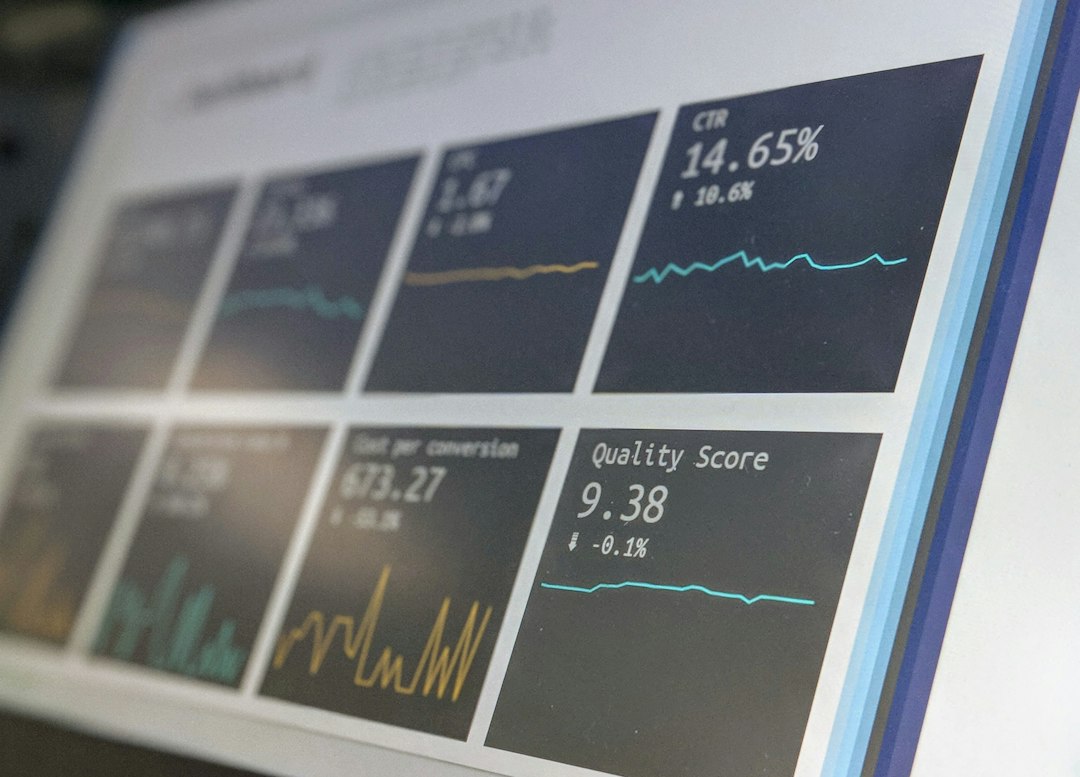
Real estate PPC (pay-per-click) for investors means buying ads on Google or Bing that appear when homeowners search phrases like “sell my house fast,” paying only when someone clicks. It produces some of the most motivated seller leads in the business, because the seller came looking for you, and also some of the most expensive.
Most guides on real estate PPC are written for agents, who bid on buyer searches at a few dollars a click. Investors bidding on seller searches play a different game entirely. This guide covers what seller keywords actually cost, how to structure a campaign, the lead math that decides whether PPC is worth it, the advertising and calling rules that apply, and when to stay out of paid search.
Why investor PPC is a different market from agent PPC
LocaliQ’s 2026 real estate benchmark, based on 894 US campaigns running from April 2025 to March 2026, put the median real estate cost per click at $3.22 and cost per lead at $102.51. Those numbers describe the whole real estate category, dominated by agents and rental listings.
Seller-intent keywords cost far more. Google Ads keyword data pulled in October 2026 showed these national averages:
| Keyword | US monthly searches | Average CPC | Top-of-page bid range |
|---|---|---|---|
| sell my house fast | 9,900 | $120.74 | $19.51 to $112.65 |
| we buy houses | 8,100 | $112.29 | $28.72 to $104.96 |
| cash home buyers | 6,600 | $116.21 | $21.32 to $101.44 |
| sell house as is | 4,400 | $97.76 | $15.61 to $90.00 |
| sell my house for cash | 4,400 | $138.00 | $28.97 to $134.32 |
| cash for houses | 4,400 | $152.86 | $42.58 to $136.56 |
Treat these as a snapshot; bids move with competition and differ sharply by city. The point is the order of magnitude. An investor clicking at $100 or more needs a very different conversion rate from an agent paying $3.
How a real estate PPC campaign is built
The structure is simpler than it looks. Each part either brings in the right searcher or keeps the wrong one out.
Keywords and match types
Start with a tight list of seller-intent phrases: “sell my house fast,” “sell house as is,” “we buy houses,” “sell house for cash,” plus your city name. Use phrase or exact match at first so your budget goes to searches that mean what you think they mean. Broad match will spend money on searches that are only loosely related.
Negative keywords
Negatives matter as much as keywords. Add terms that signal the wrong intent, for example: jobs, salary, franchise, reviews, scam, rent, apartment, Zillow, Opendoor, realtor, how to, course, and the names of national competitors. Review the search terms report every week and add new negatives. In many accounts this single habit controls cost more than bid changes do.
Geography
Target only the counties or cities where you have buyers. A lead from a market you cannot sell is wasted spend. Housing ads are limited in how they can be targeted, covered below, so geography is set by location rather than by demographics.
Ads
Write ads that match the search and set expectations: a cash offer, an as-is purchase, a flexible closing date, no agent commissions. Avoid promises you cannot keep, such as a guaranteed price or a closing date you have not verified with a title company. Claims in ads need to be truthful.
Landing page
The click should land on a page built for that search, with a short form asking for the address, name, phone, and how soon they want to sell. Our guide to building a wholesale real estate website covers the page structure and what to put above the fold. A slow page or a long form throws away the expensive click you just paid for.
Call tracking and conversion tracking
Track both form fills and calls, and tell Google which conversions count. Without tracking, the platform optimizes for clicks rather than sellers.
Example: one ad group, start to finish
Here is how a single ad group might look for a hypothetical investor buying in one county. The details are illustrative.
- Theme: sellers who want to sell without repairs.
- Keywords: “sell house as is [city],” “sell my house as is,” “sell house without repairs,” “buy my house as is,” each in phrase or exact match.
- Negatives specific to this group: “as is clause,” “as is contract,” “home inspection,” “realtor,” “listing.”
- Headline ideas: “Sell Your [City] House As-Is,” “No Repairs, No Cleaning,” “Choose Your Closing Date.”
- Description: “We buy houses in any condition for cash. Get a no-obligation offer and pick the closing date that works for you.”
- Landing page: the same promise in the headline, three short steps explaining how the process works, a four-field form, and a phone number that rings a person.
Notice the negatives. Many people searching “as is” phrases are buyers or agents researching contract terms, not owners ready to sell. Without those exclusions, a large share of the budget could go to the wrong audience in the first week.
The lead math that decides everything
Before spending a dollar, work backward from the deal. The numbers below are hypothetical, built to show the method.
| Funnel step | Assumption | Result on a $4,000 monthly budget |
|---|---|---|
| Average cost per click | $90 | About 44 clicks |
| Click to lead (form or call) | 10% | About 4.4 leads |
| Cost per lead | $4,000 ÷ 4.4 | About $900 |
| Lead to appointment | 35% | About 1.5 appointments |
| Appointment to signed contract | 25% | About 0.4 contracts a month |
| Cost per contract | $4,000 ÷ 0.4 | About $10,000 |
On these assumptions, one month of spend produces less than half a contract, and each contract costs about $10,000 in ad spend alone, before your time, software, and any agency fee. If your average assignment fee is $12,000, PPC barely breaks even. If it is $25,000, PPC is profitable. The variables you control are the conversion rates, which is why follow-up and speed matter so much. Our guide to the typical assignment fee in real estate can help you set a realistic fee assumption for your market.
Two lessons from the table:
- Budget for a full cycle. With less than one contract a month, a two-month test can show zero deals by chance. Plan for at least three to six months before judging results.
- The leads are not the cost; the waste is. A lead that waits three hours for a call is often already talking to the next investor who answered first.
Speed to lead and follow-up
PPC sellers usually contact several companies. The one who calls back first, and keeps following up politely, wins more of the deals.
- Respond within minutes. Route form fills to a phone alert, and have someone available during business hours.
- Qualify on the first call. Condition, timeline, mortgage balance, and price expectations. Our guide to negotiating with motivated sellers covers the questions.
- Book the appointment or a property walkthrough while the seller is still engaged.
- Log everything in a CRM. A real estate investor CRM keeps the follow-up sequence from slipping.
- Follow up for months. Many PPC leads are not ready this week. Those who sell in month three are part of what makes the channel pay.
Many investors hire an acquisitions specialist once PPC volume grows; our guide to the real estate acquisition manager role explains when that hire makes sense.
Advertising rules: Google’s housing ad policy
Google treats ads for buying or selling homes as housing ads. Under its housing personalized advertising policy, advertisers in the United States and Canada cannot target or exclude audiences by gender, age, parental status, marital status, or ZIP code. In practice, investor campaigns target by city, county, or radius and let the keywords do the qualifying. Do not try to work around the rule with audience lists built on those characteristics.
Fair housing law applies to your ad copy and your conduct too. Write ads that describe the transaction, not the kind of person you want to hear from.
Calling and texting the leads you paid for
A seller who fills out your form has asked you to contact them, but that is not a blank check. The FCC rule that would have required one-to-one consent for each company was vacated by the Eleventh Circuit in January 2025, as this Morrison Foerster summary explains, but the existing prior express written consent requirement for marketing calls and texts using an autodialer or prerecorded voice still applies.
Practical steps:
- Put clear consent language next to the submit button that names your company and the ways you will contact the seller.
- Store the consent record with the lead: date, time, page, and the exact language shown.
- Honor stop requests immediately, across every channel.
- If you also call people who have not contacted you, follow the Do Not Call rules. The FTC’s registry rules require telemarketers to check the registry at least once every 31 days.
Our guide to TCPA rules for real estate wholesalers covers the details, and some states add their own telemarketing and texting rules on top of the federal ones.
A 90-day launch plan
PPC rewards patience and punishes improvising with a live budget. A simple three-month plan keeps the test honest.
- Weeks 1 and 2: build. Set up the account, conversion tracking, call tracking, one landing page, and a starter list of 15 to 30 seller keywords in phrase and exact match. Load your first 50 or more negatives before launch.
- Weeks 3 to 6: learn. Launch in one county or city with a daily budget you can sustain. Review the search terms report twice a week, add negatives, and pause keywords that spend without producing leads.
- Weeks 7 to 10: tighten. Shift budget toward the keywords and ad groups producing actual conversations with sellers. Test one landing page change at a time, such as a shorter form or a clearer headline.
- Weeks 11 to 13: judge. Compare cost per lead, cost per appointment, and contracts against your funnel math. Decide whether to scale, hold, or stop.
Write the decision rules down before you launch, for example: “If cost per appointment is above $3,000 after 90 days, pause and rework the page.” It is much easier to stick to a rule you set when you were calm than one you invent after a bad month.
The weekly numbers to watch
Clicks and impressions tell you whether the ads are running. These tell you whether the business is working:
- Cost per lead by keyword group, not just account-wide.
- Lead quality: the share of leads who own the property, want to sell within a year, and fit your buy box.
- Speed to first contact in minutes, measured from your CRM.
- Cost per appointment and cost per contract, the two numbers that connect ad spend to revenue.
- Search terms added as negatives that week, a simple sign the account is being maintained.
If cost per lead looks good but contracts never come, the problem is usually lead quality or follow-up, not bids. If leads are strong but few, the problem is usually budget, keyword coverage, or the landing page.
Running PPC yourself vs. hiring an agency
| Option | Advantages | Drawbacks |
|---|---|---|
| Do it yourself | No management fee; you learn the channel | Steep learning curve; expensive mistakes on high-CPC keywords |
| Investor-focused agency | Experience with seller keywords and negatives | Monthly fee on top of ad spend; quality varies widely |
| General marketing agency | Broad digital skills | Often unfamiliar with seller intent; may optimize for cheap clicks |
Whichever you choose, keep ownership of the ad account, the landing pages, and the call-tracking numbers. If you part ways with an agency, you want the data and history to stay with your business. Ask any agency for its average cost per lead and cost per contract with investor clients in markets like yours, and judge it on contracts, not clicks.
Market-by-market nuance
Costs and results vary widely by market. Large, competitive metros often have more bidders on every seller keyword, which pushes cost per click up. Smaller markets may have cheaper clicks but fewer searches, so a budget can sit unspent. A few market factors change the plan:
- Wholesaling regulation: several states now regulate wholesaling, including disclosure and licensing rules that may affect how you advertise. Check the state guide for the market you are targeting in our wholesaling by state directory.
- Typical deal size: in low-price markets, assignment fees may be too small to support $10,000 per contract.
- Competition from iBuyers and national brands: they bid heavily on the same terms in some cities.
Real estate PPC vs. other lead sources
PPC is one channel among several. Compared with others:
- Direct mail lets you choose the list and costs less per piece, but produces lower-intent leads. See our guide to direct mail for wholesalers.
- Facebook ads reach sellers before they search, usually at lower cost per lead and lower intent. Our Facebook ads guide covers the setup.
- Driving for dollars and cold calling cost time instead of ad spend and find sellers nobody else has contacted.
Many investors fund PPC only after a cheaper channel is producing steady deals, then use PPC to add volume.
When real estate PPC is the wrong move
- You have no cash reserve. Plan to spend several months of budget before seeing a closed deal.
- You cannot answer the phone quickly. Slow response turns expensive leads into someone else’s contracts.
- Your average fee is small. If assignment fees in your market average under the cost per contract, PPC loses money.
- You do not yet have buyers. Leads you cannot sell are a cost, not an asset.
- You are still learning to price deals. Practice your offers on cheaper leads first. If you want structured feedback on your marketing and offer process, the mentorship program reviews both.
Real estate PPC FAQ
How much should I budget for real estate PPC?
Enough to produce several leads a month for at least three to six months. With seller-keyword clicks often above $100, many investors find budgets below a few thousand dollars a month too small to produce a reliable read.
Is Google or Bing better for seller leads?
Google has far more search volume. Bing often has cheaper clicks and lower competition, and some investors run both. Start where the searches are, then test the second.
What is a good click-to-lead rate?
LocaliQ’s 2026 benchmark put the median conversion rate for real estate search ads at 3.70 percent, across all real estate advertisers. Well-built investor landing pages aimed at seller searches often aim higher, but measure your own rate for a few months before setting a target.
How long until PPC produces a deal?
It depends on budget, market, and follow-up. Some investors close a deal in the first month; others need several months of data and optimization. Build the plan around the funnel math, not the best case.
Build your seller lead engine
Make every paid lead count
The free starter kit includes a seller script for the first call, a deal analyzer to price PPC leads in minutes, starter contracts, and a buyer’s list checklist so you have someone to sell to before you start bidding on clicks.