
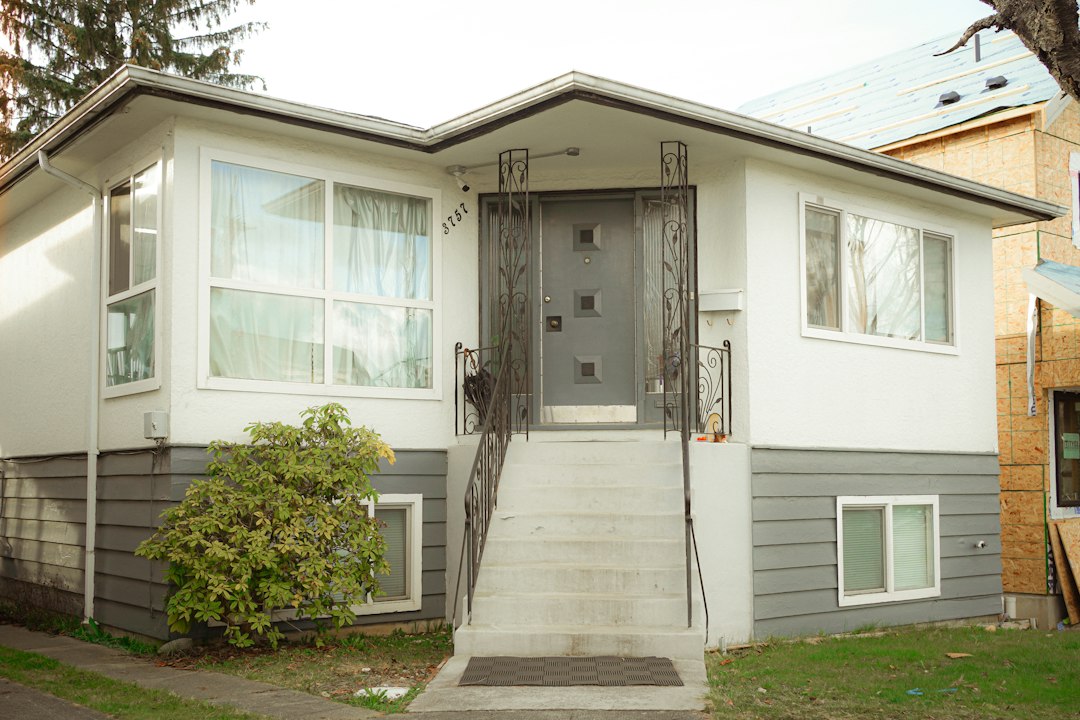
A turnkey rental property is a house that has already been bought, renovated, rented to a tenant, and placed with a property manager, then sold to an investor as a ready-to-run rental. You pay a retail price for the convenience, so the deal only makes sense if the rent, the expenses, and the condition of the renovation hold up after you check them yourself.
That is the whole tension of turnkey investing. The seller has done the work, which saves you months, but the seller has also set the price and usually written the projections. This guide explains how turnkey providers make their money, how to audit a pro forma line by line, a worked example with the numbers adjusted, and why turnkey operators are some of the most consistent buyers a wholesaler can have.
How a turnkey rental property deal is put together
Most turnkey properties follow the same chain. Knowing who earns what at each step tells you where the risk sits.
- Acquisition. The provider buys a dated or distressed house below market, often from a wholesaler, at auction, or directly from a seller.
- Renovation. The provider repairs the house to rental grade. Quality varies enormously, from full mechanical updates to paint, flooring, and fixtures over original systems.
- Lease-up. A tenant is placed, so the house is producing rent on the day you close.
- Sale. The provider sells to an investor, typically a remote buyer, at or near retail value.
- Management. The provider or an affiliated company manages the property for a monthly fee.
The provider earns a spread on the purchase-plus-rehab, and often a recurring management fee. Neither is a problem in itself; every business needs a margin. The problem is that the same company is setting the price, writing the rent and expense estimates, and then managing the property it sold you. Your job is to separate those roles when you analyze the deal.
Turnkey vs. BRRRR vs. buying a wholesale deal
Turnkey sits at one end of a spectrum. The further you move from it, the more work you do and the more margin you keep.
| Approach | What you buy | Your work | Where the profit comes from | Main risk |
|---|---|---|---|---|
| Turnkey | Finished, rented, managed house at retail | Underwriting and oversight | Cash flow and long-term appreciation | Overpaying; hidden deferred maintenance |
| BRRRR | Distressed house you renovate and refinance | Rehab, lease-up, refinance | Forced equity plus cash flow | Rehab overruns; appraisal short of plan |
| Wholesale purchase, then hold | Distressed house bought from a wholesaler | Rehab and management setup | Buying below value, then cash flow | Repair estimate errors |
A turnkey buyer is paying the provider to absorb the rehab and lease-up risk. That is a fair trade for someone with capital and no time, but it means there is usually no built-in equity cushion. If the rent is overstated or a roof fails in year two, nothing in the purchase price absorbs it.
How to audit a turnkey pro forma
Every provider sends a projection showing rent, expenses, and a cash flow or return figure. Rebuild it yourself with independent numbers. The items below are where projections most often drift.
Rent
Compare the stated rent to three to five current rental listings and recent leases of the same size and condition nearby. A house leased at an above-market rent to a tenant placed weeks before the sale may not renew at that rate. Ask for the signed lease, the tenant’s application and screening results, and the payment history to date.
Vacancy
A projection with zero vacancy is not a projection. For context, the Census Bureau’s Housing Vacancy Survey put the national rental vacancy rate at 7.3 percent in the second quarter of 2026. Local rates vary, and single-family rentals often run tighter than apartments, but a reserve of 5 to 8 percent of rent is a reasonable starting point until you have local data.
Property management
Typical full-service management runs about 8 to 12 percent of collected rent, plus a tenant placement fee, according to a 2026 fee survey from iPropertyManagement. Read the management agreement for leasing fees, renewal fees, maintenance markups, and the termination clause. If you cannot fire the manager without penalty, that is a cost.
Repairs and capital expenditures
This is the line most often understated. Repairs are the routine fixes; capital expenditures are the big replacements: roof, HVAC, water heater, and appliances. Ask for a dated list of what was replaced during the renovation and the age of what was not. A house with a 22-year-old furnace needs a larger reserve than a house with a new one, regardless of how fresh the paint is.
Taxes and insurance
Pull the property tax bill from the county, not the provider’s estimate, and check whether a sale at the new price will trigger a reassessment. Get your own landlord insurance quote before closing. In coastal and storm-prone states, insurance alone can turn a projected cash flow negative.
Worked example: the pro forma vs. the audit
The numbers below are hypothetical, chosen to show the method.
A provider offers a renovated three-bed house in a midwestern city for $165,000, rented at $1,550 a month. The investor puts 25 percent down and finances $123,750 at 7.25 percent over 30 years, a principal-and-interest payment of about $844 a month.
| Monthly line | Provider pro forma | Investor’s audit |
|---|---|---|
| Rent | $1,550 | $1,475 (market rent from comps) |
| Vacancy | $0 | $103 (7%) |
| Management | $124 (8%) | $148 (10% of rent) + $40 leasing averaged |
| Repairs and maintenance | $50 | $110 |
| Capital expenditure reserve | $0 | $125 |
| Property tax | $150 | $185 (county bill at sale price) |
| Insurance | $75 | $105 (quote) |
| Mortgage (P&I) | $844 | $844 |
| Monthly cash flow | $307 | -$185 |
The provider’s version shows about $3,700 a year of cash flow, or roughly 8.4 percent cash-on-cash on the $44,000 the investor brings to closing with the down payment and costs. The audited version loses money every month. Neither number is certain, but only one was built from independent data. Run your own inputs through the cash-on-cash return calculator, and see our guide to cash-on-cash return for how to treat closing costs and reserves in the denominator.
What would make this deal work? A lower price, a lower rate, or a higher verified rent. At $140,000, with the same terms, the payment drops to about $716 and the audited loss shrinks to roughly $55 a month, close to break-even before any tax savings from the lower price. That is a negotiation point, not a reason to accept the original projection.
Turnkey due diligence checklist
Before you close on any turnkey rental property, get these items in writing:
- The renovation scope with before and after photos, contractor invoices, and permits where required.
- An independent home inspection by an inspector you hire, not one the provider recommends.
- The age and condition of the roof, HVAC, water heater, electrical panel, and plumbing.
- The signed lease, tenant screening report, and every rent payment received so far.
- The county tax bill, a landlord insurance quote, and any HOA documents.
- The management agreement, including fees, the termination clause, and who approves repairs over a set amount.
- Recent sales of comparable renovated homes, so you know whether the price is retail or above it. Our guide to real estate comps covers how to pull them.
- An independent appraisal, which your lender will usually order anyway if you finance.
If a provider resists an independent inspection or appraisal, treat that as the answer.
Questions to ask a turnkey provider
The answers to a few direct questions tell you more than any marketing page. Ask them in writing and keep the replies.
- What did you pay for this house, and when? The recorded deed often shows it anyway. A large gap between their purchase plus rehab and your price is not wrong, but you should know it.
- Which systems did you replace, and which did you leave? Ask for the brand and install date of the roof, furnace, air conditioner, and water heater.
- How was the tenant found and screened? A tenant placed in a hurry to support a sale is a different risk from one with a verified income and rental history.
- What is your average vacancy and turnover across the homes you manage? A provider that manages hundreds of houses has the data. Vague answers are a warning.
- What happens if I want to change managers? Get the notice period and any fees.
- Can I speak with three investors who have owned your properties for more than two years? Early owners have not yet hit the first turnover or the first large repair.
- Who pays if a major defect from the renovation shows up in the first year? Some providers offer a limited warranty. Read what it excludes.
A provider confident in its product will answer all of these. One that steers you back to the projected return instead is telling you where its margin is.
Financing a turnkey rental property
Most turnkey buyers use conventional investment loans or DSCR loans. Conventional financing is often the cheapest, but it has limits. Fannie Mae’s guidelines, for example, cap borrowers at 10 financed properties when the loan is for a second home or investment property underwritten through its automated system. Investors who expect to scale past that point often move to DSCR loans, which qualify the property on its rent rather than the borrower’s income, usually at a higher rate.
Be wary of financing arranged by the provider. A lender the provider recommends is not a problem in itself, but you should compare at least two independent quotes. The rate is one of the largest numbers in the analysis; a half-point difference on a $124,000 loan changes the payment by roughly $40 a month.
Tax treatment worth knowing
Rental income is reported on your return, and you can generally deduct operating expenses and depreciation. Under IRS rules, residential rental property is depreciated over 27.5 years, and the land portion of the purchase price is not depreciable. Turnkey investors sometimes overlook the land allocation, which reduces the depreciation they can claim. A CPA who works with rental owners can set this up correctly in the first year.
Why turnkey operators matter to wholesalers
If you wholesale, turnkey providers belong on your buyers list. They need a steady pipeline of houses that can be renovated to rental grade and sold to remote investors, and many of them buy every month in the same neighborhoods.
What they typically look for:
- Three-bed, one- to two-bath houses in rental neighborhoods with steady tenant demand.
- Purchase prices that leave room for the renovation, the provider’s margin, and a retail resale that still pencils for their investor clients.
- Projects that are mostly cosmetic or mid-level, with fewer surprises in the structure and systems.
- Clean title and the ability to close quickly and repeatedly.
When you send a deal to a turnkey buyer, include your repair estimate and current market rent, because they will resell on rent. A rent figure that is honest, with comps attached, builds the kind of trust that turns one buyer into a monthly one. Our guide to real estate dispositions covers how to package a deal sheet, and the 1 percent rule is the quick screen many of these buyers use first.
Turnkey buyers also tend to be disciplined about price. They know their resale ceiling, their renovation cost per square foot, and the margin they need, so a deal sent at an inflated number usually gets no reply at all. Send fewer deals at prices that work, and the same operator will start asking what else you have.
State-by-state nuance
Turnkey providers cluster in markets where purchase prices are low relative to rents, which is why many operate in parts of the Midwest and South. The state you buy in changes the analysis in a few concrete ways:
- Landlord-tenant law: notice periods, security deposit rules, and eviction timelines differ by state and sometimes by city. A slow eviction state raises the cost of a bad tenant.
- Property tax: some states reassess at sale, some cap annual increases, and some apply higher rates to non-owner-occupied homes. The seller’s tax bill may not be yours.
- Insurance: premiums in hurricane, hail, and wildfire regions can be a multiple of those elsewhere.
- Rent regulation: a few states and cities limit rent increases, which changes your long-term projection.
Check the specific state before you commit, and treat a projection built on another state’s assumptions as a draft.
When a turnkey rental property is the wrong move
- You need cash flow from day one to cover your own bills. Turnkey margins are thin, and one vacancy or repair can erase a year of profit.
- The provider is also the manager, and you cannot replace them. Your returns depend on their honesty, with no exit.
- The numbers only work with the provider’s rent and expense estimates. If your audit shows negative cash flow, the projection is marketing.
- You are buying sight unseen in a market you have never researched. Visit, or hire someone local to walk the house and the street.
- You would rather build equity than buy it. If you have time and some rehab experience, buying below value and renovating usually creates more wealth per dollar.
Turnkey rental property FAQ
Is turnkey real estate a good investment?
It can be, for investors with capital and little time who underwrite carefully. It is rarely a bargain, because the provider has already captured the discount from buying and renovating. The return comes from long-term cash flow and appreciation.
How much should I expect a turnkey property to cash flow?
It depends on the market, price, and financing. Build your own estimate with realistic vacancy, management, repair, and capital expenditure reserves. If the result is close to zero, the deal is a bet on appreciation.
Do turnkey providers guarantee rent?
Some offer a short rent guarantee. Read the terms carefully: a guarantee is only as good as the company behind it, and it often lasts a few months, after which the real market rent applies.
Can I wholesale a deal to a turnkey company?
Yes, and many wholesalers have turnkey operators as repeat buyers. Price the deal so the operator can renovate, sell at retail, and still offer their client a workable rent-to-price ratio.
A turnkey rental property can be a solid way to own rentals without becoming a contractor, as long as you buy the house you audited, not the one in the brochure. If you want help building an underwriting process for rentals and the deals you wholesale to rental buyers, our RE Wholesaling Mastery program covers deal analysis from both sides.
Underwrite rentals like a pro
Check the pro forma before you buy
The free starter kit includes a deal analyzer that lets you rebuild any rental projection with your own vacancy, management, and reserve figures, plus starter contracts, a seller script, and a buyer’s list checklist for the turnkey operators you sell to.