
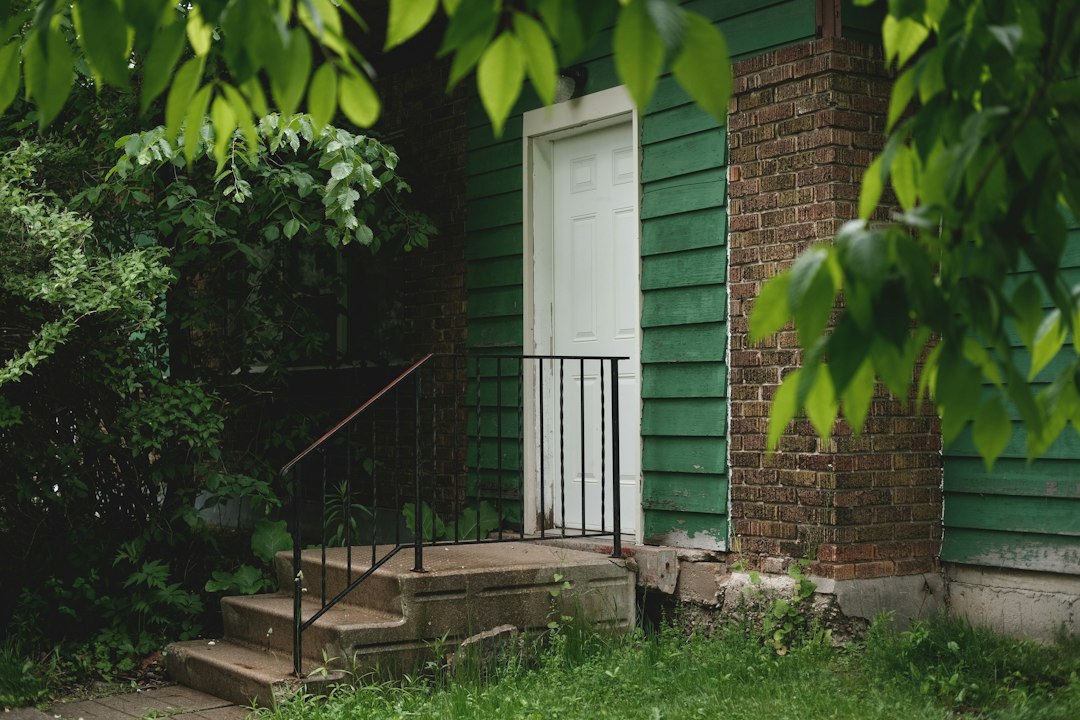
REO properties are homes a lender, servicer or government agency took back through foreclosure and now sells on the open market, usually through a listing agent and almost always as-is. For investors they can be good inventory, but for wholesalers the bank’s own addendum usually decides the deal: most require proof of funds up front, let the seller pick the closing company, and bar assignment without the seller’s written consent.
This guide covers where REO sits next to pre-foreclosure and auction buying, the owner-occupant windows at Fannie Mae, Freddie Mac, HUD and in California, what the addendum actually says, a step-by-step buying process, a worked hypothetical comparing exits, and the legitimate ways a wholesaler can still make money from bank-owned inventory.
Where REO properties come from, and how many there are right now
REO stands for real estate owned. A property becomes REO when the foreclosure sale ends without an outside buyer bidding enough, so title goes to the foreclosing lender (or to the investor or guarantor behind the loan). From that point the owner is an institution with an asset manager, a valuation, a holding-cost budget and a written sales process, not a person you can have a kitchen-table conversation with.
Supply is rising again. ATTOM’s August 2026 foreclosure market report counted 5,794 completed foreclosures (REOs), up 22% from July and 42% from August 2025. Texas led with 1,835, followed by California, North Carolina, Arizona and Alabama. In its mid-year 2026 report, ATTOM counted 27,983 REOs in the first six months of the year, up 33% from the first half of 2025 but still 26% below the first half of 2020.
More REO means more listings and more sold comps, but it is still a fraction of the distressed pipeline. ATTOM counted 40,277 properties with some foreclosure filing in August 2026, and most of those owners are still in pre-foreclosure, where a wholesaler can actually negotiate.
REO vs. pre-foreclosure vs. foreclosure auction
The same house can pass through all three stages. Who you negotiate with, and what you can inspect and assign, changes at each one.
| Stage | Who sells | How you buy | Inspection | Wholesaler fit |
|---|---|---|---|---|
| Pre-foreclosure | The homeowner, still on title | Direct negotiation; short sale if underwater | Usually possible with the owner’s cooperation | Strongest: your own contract, assignable if you draft it that way |
| Foreclosure auction | Trustee or sheriff on the lender’s behalf | Bid at the sale, typically with certified funds | Often exterior only | Weak: you buy, then resell; liens and occupants can come with it depending on the state |
| REO | The lender, servicer, GSE or agency | Offer through the listing agent on the seller’s forms | Usually allowed, sold as-is | Limited: addenda typically restrict assignment, so double closes or partnerships replace assignments |
Foreclosure procedure and timelines differ widely by state; see our state guides, such as Texas and Florida, or the state-by-state hub.
Owner-occupant windows: when investors may not offer
Government-related sellers give owner-occupants, nonprofits and public entities the first shot. Investors who submit early get rejected, and investors who pretend to be owner-occupants are signing a false certification.
Fannie Mae HomePath First Look
Fannie Mae’s HomePath Online Offers guide states that the initial First Look marketing period is 20 days, except Nevada, where it is 30, and that eligible buyers are owner-occupants, public entities and their partners, and some nonprofits. Listing agents reject investor offers made during that window. Fannie counts the days on HomePath.com, not the MLS, and a property that goes under contract and falls through comes back with a new 10-day First Look period. Buying in a trust’s name, as a vacation home or for a relative to live in is typically treated as an investor purchase, and owner-occupants sign an Owner Occupant Certification rider.
Freddie Mac HomeSteps First Look
Freddie Mac’s HomeSteps First Look page describes an ongoing initiative covering the first 30 days a home is listed in the MLS, open to owner-occupants, public entities or their designated partners, and nonprofits. Investor offers are considered after the 30 days end.
HUD Homes
HUD sells homes from foreclosed FHA-insured loans on HUD Home Store. Since March 1, 2022, homes listed as “insured” or “insured with escrow” have a 30-day exclusive listing period, up from 15, for owner-occupants, HUD-approved nonprofits and governmental entities. Investors may bid only after it ends. HUD’s broker page says contracts must come from a broker registered with HUD, who receives a NAID number, so an investor needs a participating agent to bid.
VA-owned homes
VA-acquired homes are marketed through Vendor Resource Management, which runs the VA’s Vendee loan program under contract. Its Vendee financing page says the program is open to veterans, non-veterans, owner-occupants and investors, and offers come through registered agents.
State law: California’s 30-day rule
Some states add their own window. California’s Civil Code 2924p, from AB 2170 and in effect since 2023, requires institutions that foreclosed on 175 or more 1-4 unit properties in the prior reporting period to accept offers only from eligible bidders for the first 30 days after listing. Eligible bidders include prospective owner-occupants, qualifying nonprofits, community land trusts, limited-equity co-ops and public entities. The statute also bars bundled sales. Check your California guide and other state pages before planning around fresh listings.
What the bank’s addendum says, and why it blocks assignments
The bank addendum, not your state contract form, sets the terms of an REO purchase. A Carrington Mortgage Services REO addendum is typical, and its clauses show the pattern:
- The addendum wins. If it conflicts with the purchase contract, the addendum’s terms prevail.
- No assignment without consent. The buyer may not assign without the seller’s express written consent, which the seller may withhold in its sole discretion. The seller can assign freely.
- Proof of funds. Cash buyers must show liquid funds on deposit in the U.S. before the deposit deadline, and the property stays on the market until the seller accepts that proof. Changing your loan type or lender without consent is a breach.
- Fast deposits. Signed paperwork and certified earnest money are due within 72 hours of acknowledgment, or the seller may cancel.
- As-is, where-is, with all faults. If you don’t object within the inspection period, you have accepted the condition.
- Seller-designated title and escrow, except where the law prohibits it.
- Limited deed. The seller defends title only against claims arising through it, such as a special warranty or quitclaim-style deed.
- Per diem. If the seller agrees to extend closing, the buyer pays a daily charge, $100 per day in this form, and loses the deposit if the extended date is missed.
An older bank purchase addendum (a 2009 NPDC form) has the same assignment wording, proof-of-funds condition and as-is clause, though it let the buyer choose the title company, so terms vary by seller. Asset managers want the buyer they vetted to be the one who closes, so a wholesaler’s assignment clause gets overruled the moment you sign their addendum.
How to buy REO properties as an investor, step by step
- Pick a lane. Decide whether you will buy and hold, flip, or resell through a double close, and set your buy box before browsing listings.
- Find the inventory. REOs show up on the MLS, HomePath.com, HomeSteps.com, HUD Home Store and VRM’s site. Note each listing date so you know when the owner-occupant window closes.
- Work with an agent who knows the platforms. HUD requires a registered broker, and bank listing agents expect offers on their own forms and online offer systems.
- Get proof of funds ready in the buying entity’s name: a current bank statement or a lender letter. Our proof of funds letter guide covers what asset managers accept.
- Run the numbers before you walk the house. Pull REO and retail comps, estimate repairs, and calculate your maximum offer. Use how to calculate ARV and the MAO calculator.
- Submit a clean offer. Few contingencies, a realistic closing date and certified earnest money ready to wire. Expect multiple-offer rounds and a highest-and-best request.
- Read and sign the addendum. Check the assignment, title, deed, per diem, inspection and occupancy clauses. Negotiate before you sign, not after.
- Inspect fast. Inspection periods are short, and silence counts as acceptance. Utilities may be off, so ask the listing agent about turn-on.
- Review title anyway. Order an owner’s policy and review the commitment for surviving liens, HOA debt and municipal charges. See how to do a title search.
- Close on time. Every extension costs per diem and goodwill with an asset manager who sells in your market every month.
Why classic wholesaling of REO usually fails
The standard wholesale play is to sign a purchase agreement with an “and/or assigns” buyer clause, find a cash buyer, and collect an assignment fee. REO breaks it four ways:
- The addendum overrides your clause. Assignment needs written consent, which sellers rarely give to a buyer who signed only to resell.
- Proof of funds has to be real. The seller checks the funds before acceptance, and borrowing a screenshot is fraud.
- The price is already near market. The asset is listed and exposed to every investor in town, so there is rarely a spread wide enough for a middleman.
- Deposits go hard fast. With 72-hour deposit deadlines and short inspections, a wholesaler who can’t perform loses earnest money.
Agents and asset managers also talk. Cancel two or three REO contracts in one market and your offers may stop getting countered.
Legitimate ways wholesalers profit from bank-owned inventory
Double close with transactional funding, where the contract allows it
In a double close you actually buy from the bank (A-B), then sell to your cash buyer (B-C), usually the same day, with short-term money funding the A-B side. You are not assigning, so the assignment clause isn’t triggered, but you must perform as a real buyer on the bank’s terms, and the seller-designated closing company has to agree to handle both sides. Read the whole addendum for resale or closing conditions first; some sellers add certifications or affidavits. See transactional funding and double closing for how lenders structure it.
One more limit: under 24 CFR 203.37a, a home resold within 90 days of the seller’s acquisition is not eligible for an FHA-insured mortgage. The rule exempts sales by HUD, other federal agencies, financial institutions and GSEs, so the bank’s sale to you is fine, but your resale is not. Your end buyer needs cash or a non-FHA loan.
Bird-dogging or a JV with a licensed agent or investor
Spot a mispriced REO and bring it to an investor or an REO-savvy agent with a cash client. The buyer contracts directly with the bank, and you are paid by agreement with that buyer, or as a joint-venture partner who contributes capital or work and shares the profit. Agents generally cannot split commissions with unlicensed people, and many states regulate paid deal-finding, so check your state guide and the license question before taking a fee.
Use REO sales as comps and as a buyer-finding tool
Even if you never buy one, REO closings are useful data. They show the as-is floor in a neighborhood, which keeps your offers to off-market sellers honest. The LLCs that keep buying REOs are proven cash buyers: pull their names from county deed records and add them to your buyers list (see how to find cash buyers). And watch for houses that hit the foreclosure docket but haven’t sold yet. Reaching those owners is where wholesaling actually works.
A hypothetical REO deal: three exits compared
All figures are hypothetical. A three-bedroom bank-owned house is listed at $165,000 after its owner-occupant window closes. Comparable renovated homes support an ARV of $300,000, and the repair estimate is $40,000. A local flipper’s buy box is 70% of ARV minus repairs: $210,000 minus $40,000, or a maximum of $170,000.
| Line item (hypothetical) | Amount |
|---|---|
| Bank’s accepted price after counteroffer | $152,000 |
| Resale price to cash buyer (B-C) | $165,000 |
| Gross spread | $13,000 |
| Transactional funding fee (assumed 1.5% of $152,000) | -$2,280 |
| A-B closing costs paid as buyer (assumed) | -$2,500 |
| B-C closing costs paid as seller (assumed) | -$1,800 |
| Hypothetical net to the wholesaler | $6,420 |
Exit 1, assignment: the addendum requires written consent and the asset manager refuses, so the deal is dead. Trying anyway risks the earnest money and the relationship.
Exit 2, double close: the table above. The $6,420 assumes the cash buyer performs. If closing slips a week and the bank grants an extension at $100 a day, $700 comes off the top. If the buyer walks, you either close with your own money or lose your deposit.
Exit 3, JV: the flipper submits the offer and closes at $152,000. You agreed in advance to a share of the flip profit, say 15%, in exchange for finding and managing the deal. If the flip nets $30,000, your hypothetical share is $4,500, with no capital at risk and nothing to violate in the addendum. Less money than Exit 2, but much less risk.
Where beginners lose money on bank-owned homes
- Offering during the First Look window. Fannie, Freddie and HUD reject it, and California requires institutions to.
- Signing an owner-occupant certification you don’t intend to keep. That is a false statement to a federal seller, not a loophole.
- Skipping the addendum. Assignment bans, limited deeds and per diem charges live there, not in your contract.
- Underestimating vacant-house damage. Plumbing freezes, mold and stripped copper are common. Budget contingency with a repair estimate, not hope.
- Ignoring occupancy. Some REOs still have occupants, and removing them can take a court process plus cash for keys.
- Assuming the bank cleared everything. A special warranty deed only covers the bank’s period of ownership. Unpaid utility liens or HOA balances can surface, depending on state law.
- Lining up a buyer who needs FHA. The 90-day rule shuts that exit on a quick resale.
Most of these are versions of the wholesaling mistakes new investors make everywhere: moving faster than the paperwork.
REO property questions from new investors
Are REO properties cheaper than other homes?
Sometimes, but not automatically. Banks price from broker opinions and appraisals, and listed REOs compete for buyers on the open market. The discount usually reflects condition, as-is terms and the hassle of the process.
Can I wholesale an REO with an assignment contract?
Rarely. Typical addenda bar assignment without the seller’s written consent, and the addendum controls if it conflicts with your contract. A double close where the terms allow it, or a JV, is the realistic route.
How long is the First Look period?
Fannie Mae: 20 days on HomePath.com, 30 in Nevada. Freddie Mac HomeSteps: the first 30 days in the MLS. HUD: 30 days for insured and insured-with-escrow listings. California adds 30 days for large institutional sellers.
Do I need a real estate agent to buy REO?
For HUD homes, yes: bids must come from a HUD-registered broker. Banks and GSEs also expect agent-submitted offers through their systems, so an agent who knows the platforms saves time.
More on distressed property deals
Know your number before the bank counters
Grab our free starter kit: a deal analyzer for ARV, repairs and max offer, starter contracts to review with your attorney, a seller script for pre-foreclosure conversations, and a buyer’s list checklist for the cash buyers you find in REO deed records.