
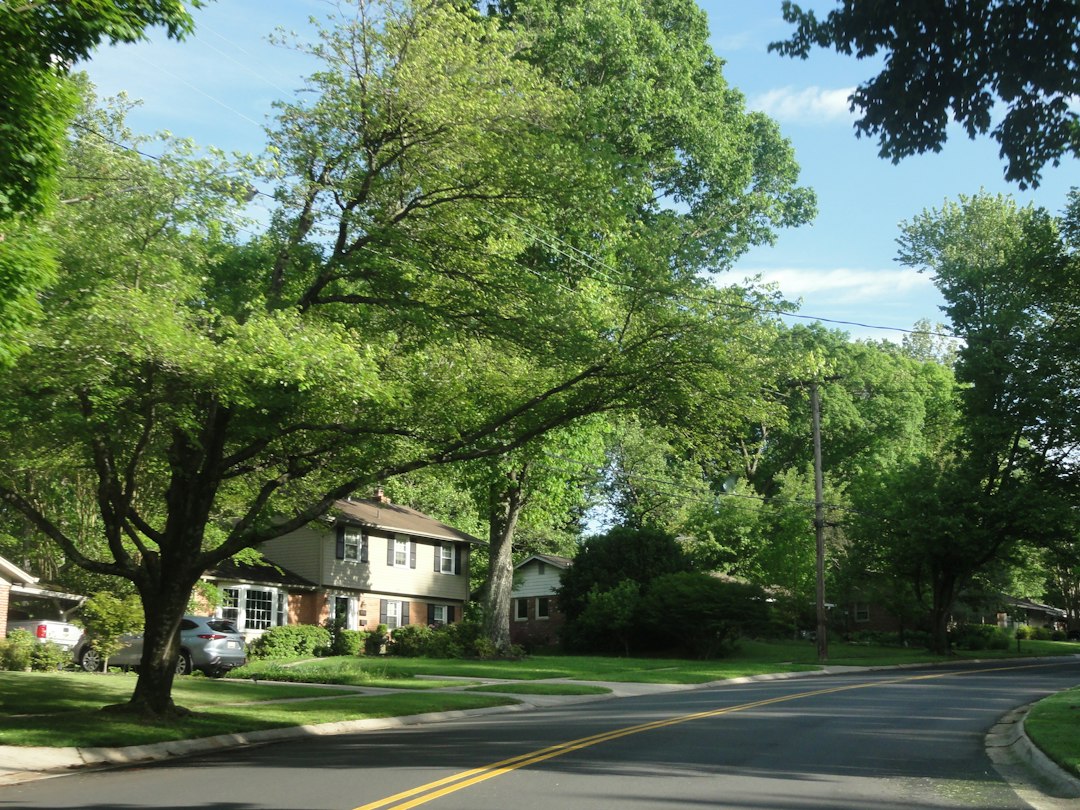
A bird dog in real estate is someone who finds potential deals, usually distressed or off-market properties, and passes the leads to an investor in exchange for a fee. Bird dog real estate work is often the first paid role new investors take, because it requires no capital, but whether the fee is legal depends on how the arrangement is structured and which state you work in.
Most articles stop at “find houses, get paid.” This one goes further: what a useful lead actually contains, how bird dogs are typically paid, where state license laws draw the line, what the 2026 change to 1099 reporting means for the investor paying you, and when you are better off wholesaling the deal yourself.
What a bird dog in real estate does
A bird dog is a lead source with legs. Investors and wholesalers have more properties to evaluate than hours to find them, so they pay people who spot opportunities and hand over enough information to act on.
Typical bird dog tasks:
- Driving neighborhoods to spot vacant, neglected or code-violation properties, the same field work covered in our driving for dollars guide.
- Pulling county records to identify the owner, mailing address and any visible liens or tax delinquencies.
- Noting condition from the street: roof, windows, overgrown yard, boarded openings, piled-up mail.
- Hearing about a deal through a personal network, such as a neighbor going through probate or a landlord who wants out.
- In some arrangements, skip tracing the owner to find a phone number, which our skip tracing guide explains.
What a bird dog does not do, in a well-structured arrangement, is negotiate price with the seller, sign contracts, or market the property to buyers. Those activities are where license laws start to bite.
What makes a lead worth paying for
Investors get dozens of addresses with nothing else attached. The bird dogs who get paid repeatedly hand over a complete lead sheet. A good one includes:
| Field | Why the investor needs it |
|---|---|
| Property address and parcel number | Confirms the exact property in county records |
| Owner name and mailing address | Shows whether the owner is absentee or local |
| Photos from the public street | Lets the investor estimate repairs without a trip |
| Distress signals observed | Vacancy, code notices, tax delinquency, deferred maintenance |
| How you found it | Driving, referral, records search; affects how to approach |
| Any contact already made | Prevents two people calling the same owner |
| Date found | Leads go stale quickly |
A lead that matches your investor’s buy box is worth far more than a pile of random addresses. Ask each investor you work with for their criteria first: target zip codes, property types, price range and condition. Our buy box guide explains how investors define these.
Where bird dogs find the leads investors want
Not every neglected house is a deal. These are the categories that most often turn into contracts, and how a bird dog adds value to each:
- Vacant properties. Piled-up mail, utility shutoff tags and overgrown yards suggest nobody is living there. Confirm the owner’s mailing address differs from the property address; that combination is a strong signal.
- Code violation properties. Many cities publish code-enforcement cases. Matching a violation to a property you have photographed gives the investor a reason to call and a sense of the repair scope. Our guide to code violation leads shows where to look.
- Inherited houses. Probate filings are public in most counties. A bird dog who pairs a probate case with a vacant house saves the investor hours, but approach rules matter; see our probate leads guide.
- Tired landlords. Rentals with deferred maintenance and out-of-state owners. An absentee owner with several neglected units is a better lead than one house.
- Personal network leads. A friend’s parent moving to assisted living, a coworker whose rental keeps flooding. These convert well because the introduction comes with trust.
What to put in a bird dog agreement
A one-page agreement prevents most disputes. At minimum it should cover:
- Parties and dates. Who is paying, who is delivering leads, and when the agreement starts and ends.
- What counts as a lead. The fields you must deliver and the investor’s target criteria.
- Duplicate rule. If the investor already had the address in their system, how they prove it, usually a dated CRM entry.
- Fee and timing. The amount, whether it is per lead or per closing, and how many days after closing it is paid.
- Scope limits. A statement that you do not negotiate, sign contracts or represent either party.
- Non-circumvention period. How long the investor owes you if they buy a property you submitted, often 12 months.
Keep a copy of every lead you send with the date, because that record is what makes the agreement enforceable in practice.
How bird dogs get paid
Pay structures fall into three groups. Industry sources put typical fees in a narrow band: BiggerPockets describes a flat fee of about $500 to $1,000, and Goliath Data cites $500 to $2,000 per closed deal depending on the market. Treat those as illustrative ranges, not promises; many leads never close and pay nothing.
- Per lead. A small fixed amount for each qualified lead delivered, whether or not it closes. Investors who use this model usually define “qualified” tightly.
- Per closed deal. A larger flat fee paid only if the investor buys the property. This is the most common model and the one most likely to raise licensing questions, because payment depends on a completed transaction.
- Percentage of profit. A share of the investor’s assignment fee or flip profit. This is rare for new bird dogs and the most likely to be treated as a commission.
Worked example: three ways to pay the same lead
Here is a hypothetical. A bird dog finds a vacant house; the investor contracts it at $140,000 and assigns it to a cash buyer for $155,000, earning a $15,000 assignment fee.
| Structure | Bird dog earns | Notes |
|---|---|---|
| Per lead at $50, investor received 30 leads that month | $1,500 for the month | Paid on all 30, including this one |
| Flat $1,000 per closed deal | $1,000 | Paid only because this deal closed |
| 10 percent of the investor’s profit | $1,500 | Tied directly to the transaction’s outcome |
The flat-per-closing and percentage models put money in the bird dog’s pocket only when real estate changes hands. That is the factual pattern state regulators look at when deciding whether someone was acting as an unlicensed broker.
The licensing question
There is no single national rule, and some popular guides simply say no license is required. That is too simple. Each state’s real estate license law defines brokerage, and many definitions are broad enough to reach someone who finds properties or buyers for another person in exchange for compensation.
What the statutes say
- California. Business and Professions Code 10131 defines a broker as a person who, for compensation or expectation of compensation, does acts such as soliciting prospective sellers or buyers of real property for another. Section 10137 makes it unlawful for a licensed broker to compensate an unlicensed person for acts requiring a license.
- Texas. Occupations Code 1101.002 includes, within the definition of broker, a person who for valuable consideration “procures or assists in procuring” a prospect or property to effect a sale. Section 1101.651 generally bars a licensed broker from paying an unlicensed person for performing an act of a broker, and the Texas Real Estate Commission’s FAQ answers the question “Can a broker pay a commission to an unlicensed person?” with “In general, no,” subject to narrow exceptions.
- Illinois. The Real Estate License Act, as amended by Public Act 101-357, treats someone who deals in real estate contracts, including assignable contracts, on two or more occasions in any 12-month period as engaged in a pattern of business that requires a license.
- Oklahoma. Since November 1, 2021, Oklahoma’s Predatory Real Estate Wholesaler Prohibition Act has required a license for anyone who publicly markets an equitable interest in a contract to buy real estate.
Those last two target wholesalers rather than bird dogs, but they matter because many bird dogs drift into wholesaling: once you start marketing the contract or the property to buyers, you are no longer just a lead source.
Practical ways bird dogs reduce risk
None of these is a safe harbor everywhere, but they are the structures investors and their attorneys most often use:
- Get paid for information, not outcomes. A per-lead fee for a defined data package looks less like a commission than a payment that depends on closing.
- Stay out of negotiation. Hand over the lead and step back. Do not quote prices, make offers or discuss terms with the owner.
- Do not market the property. Posting a house you do not own or control, or sending it to buyers, is a brokerage activity in many states.
- Get a short written agreement. Spell out what you deliver, what you are paid, and that you do not represent either party. If the investor is a licensed agent or works through a brokerage, the payment rules for licensees are stricter still, so ask how they plan to pay you.
If you plan to bird dog at volume, a one-hour consult with a real estate attorney in your state is worth more than any template. And if you find yourself wanting to negotiate or market deals, our article on the real estate license for wholesaling explains when getting licensed makes sense.
Taxes: bird dog fees are income
Fees you earn are self-employment income. The investor paying you will usually ask for a Form W-9, which is how a payer collects your name and taxpayer identification number.
The reporting threshold changed for 2026. For payments made after December 31, 2025, the IRS raised the minimum for reporting nonemployee compensation on Form 1099-NEC from $600 to $2,000, and the IRS instructions note the amount may be adjusted for inflation beginning in 2027. That changes whether you receive a form, not whether you owe tax: income under the threshold is still taxable. Keep your own log of every payment, mileage and data-service cost. Our post on wholesale real estate taxes covers how self-employment tax applies to deal fees.
Field rules: trespassing and contacting owners
Two legal issues come up in the field more often than licensing.
Trespassing
Vacant does not mean open to the public. Nolo’s overview of criminal trespass explains that entering property you know you lack permission to enter, especially when it is posted, fenced or locked, can be a misdemeanor or infraction, and a felony in some states. Take photos from the public street or sidewalk. Do not walk around back, peer through windows or go inside, even if a door is open.
Calling and texting owners
If an investor asks you to call or text owners, federal telemarketing rules apply. The FCC’s rules at 47 CFR 64.1200 require prior express consent for autodialed or prerecorded calls and texts to cell phones, prior express written consent for telemarketing of that kind, and bar telephone solicitations to numbers on the National Do Not Call Registry. Our TCPA guide for wholesalers explains how investors handle this. Most bird dogs are better off leaving outreach to the investor.
How to start bird dogging, step by step
- Pick one or two investors. Look for active local buyers through county deed records, investor meetups or wholesalers who post deals. A bird dog with one reliable buyer beats one with ten who never answer.
- Ask for their criteria. Zip codes, property types, price ceiling, condition they want, and how they pay.
- Agree on terms in writing before the first lead. Fee, what counts as a qualified lead, how duplicates are handled, and when you get paid.
- Build a route. Choose a few neighborhoods with older housing stock and mixed ownership. Drive the same routes regularly; change is easier to spot than condition.
- Research every address before sending it. Owner, mailing address, tax status, any recorded liens. Five minutes of county-records work doubles a lead’s value.
- Deliver in a consistent format. A spreadsheet or shared form with the fields in the table above.
- Track outcomes. Which leads got a contact, an offer, a contract. That data tells you which signals your investor values.
Bird dog vs wholesaler vs joint venture partner
| Role | Controls the property? | Typical pay | Main legal exposure |
|---|---|---|---|
| Bird dog | No | Per lead or per closed deal | Unlicensed brokerage if paid like a commission |
| Wholesaler | Yes, through a purchase contract | Assignment fee or double-close spread | State wholesaling and licensing laws, disclosure rules |
| JV partner | Shared, by written agreement | Negotiated split of profit | Partnership terms, licensing if marketing |
Many bird dogs graduate to wholesaling once they learn to price deals. Others partner with an experienced wholesaler on a fee split, which our joint venture wholesaling guide covers in detail.
When bird dogging is the wrong move
Bird dogging is a good first step, but it has real limits.
- Low pay per hour. If an investor closes one in twenty leads, and you are paid only on closings, your effective hourly rate can be very low.
- Payment disputes. Without a written agreement, an investor can say they already knew about the property. Date-stamped, documented leads are your only protection.
- Licensing exposure. In states with strict brokerage definitions, a per-closing fee can be enough to draw scrutiny.
- Little skill-building beyond the lead. If your goal is to learn deal analysis and negotiation, wholesaling under a mentor or partner teaches more.
If you want to move past bird dogging into analyzing and contracting deals yourself, a structured path such as our mentorship program can shorten the learning curve.
Frequently asked questions
Do you need a license to be a bird dog in real estate?
It depends on your state and on how you are paid. Passing along information for a flat per-lead fee is treated differently from being paid a share of a sale, and statutes in states such as California and Texas define brokerage broadly. Check your state’s license law and ask an attorney if you plan to do volume.
How much do bird dogs make per deal?
Industry sources commonly cite $500 to $1,000, and some cite up to $2,000 per closed deal. Many leads never close, so per-month income varies widely.
Can a bird dog become a wholesaler?
Yes. The step from bird dog to wholesaler is getting the property under contract yourself and finding the buyer, which brings in wholesaling-specific laws in states such as Illinois, Oklahoma and Pennsylvania.
Should I sign a non-circumvention agreement?
It helps, especially when working with investors you do not know. It documents that the lead came from you and that the investor will pay if they buy it.
Will I get a 1099 for bird dog fees?
If one payer pays you $2,000 or more in nonemployee compensation for 2026, you should receive a Form 1099-NEC. Below that, you still report the income.
Next steps after your first leads
Turn leads into deals you control
Our free starter kit gives you a deal analyzer to price the leads you find, starter contracts for when you are ready to sign your own, a seller script for the first call, and a buyer’s list checklist.