
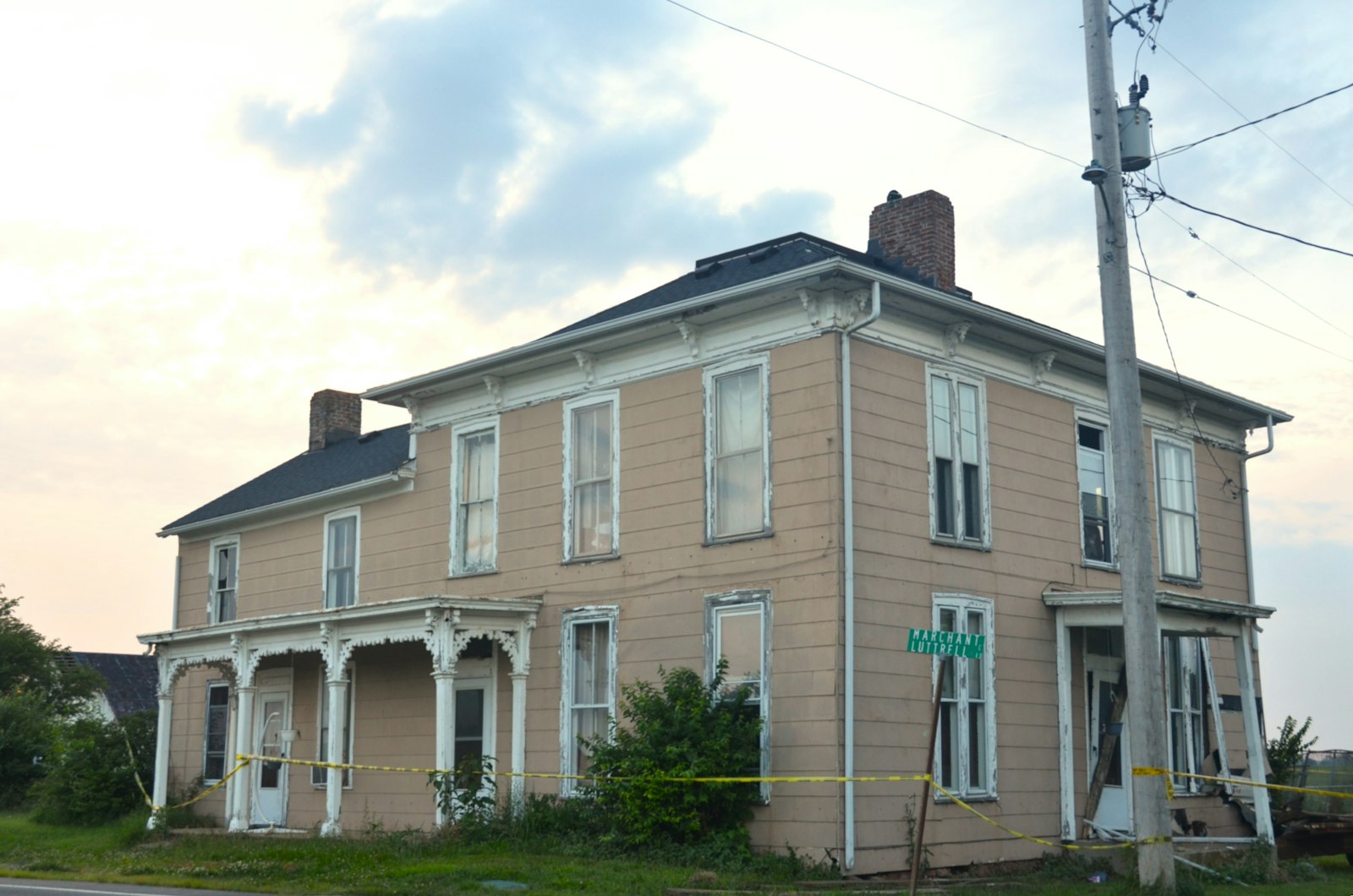
Code violation leads are property owners who have been cited by a city or county code enforcement office, and they are worth a wholesaler’s time because every open case comes with deadlines, inspections and, often, fines that keep growing until the owner fixes the house or sells it. The data is public in most places, it is cheaper than most purchased lists, and it points straight at houses that need work, which is exactly what cash buyers want.
This guide shows where to pull the records (with three real city portals and the public records statutes in two states), how to read a case file before you spend money on marketing, how code liens attach to property and follow it through a sale, and how to price a deal when the city is effectively a third party at the closing table. If you are still building your overall lead strategy, start with our guide on how to find motivated sellers and come back here for the code enforcement layer.
Why a code enforcement case signals a motivated seller
Most motivated-seller lists tell you something about the owner: they are behind on taxes, they live out of state, they inherited the house. A code case tells you something about the property and puts a clock on it. An inspector has documented a problem, issued a notice with a compliance date, and will come back. If the owner misses the date, the city can fine them, record a lien, do the work itself and bill for it, or in the worst cases condemn the building or ask a court to appoint a receiver.
That pressure lands hardest on tired landlords facing a failed inspection, heirs who live three states away, and stretched owners who cannot fund a roof or sewer line on the city’s schedule.
Not every violation means motivation. A tall-grass ticket mowed the next day is noise; the skill is separating cheap, closed, one-time cases from open, expensive, repeated ones.
Where to get code violation leads
City open-data portals
Larger cities publish code enforcement records as downloadable datasets. Three good models:
| City | Dataset | What you get |
|---|---|---|
| Chicago | Building Violations (Department of Buildings) | Violations from 2006 to the present, each tied to an inspection, with fields for violation code, description, status, status date, inspector comments and ordinance |
| Philadelphia | L&I Code Violations on OpenDataPhilly | Violations issued by the Department of Licenses and Inspections, updated daily, downloadable by date range or via API, with related Unsafe and Imminently Dangerous Buildings datasets |
| Detroit | Blight Tickets on DetroitData | Civil blight tickets for property code violations under Article 15 of the Detroit City Code, adjudicated by the Department of Administrative Hearings, updated daily |
Filter these large files to residential, open status and the last 12 to 24 months first. And read each portal’s caveats: Chicago’s description says its data should not be relied on for real estate transactions. It is a lead source, not a title report.
Public records requests when there is no portal
Most smaller cities and counties do not publish a dataset, but the records are still public. You ask for them under your state’s open-records law, and each state sets its own deadlines and rules.
- Illinois. Under the Illinois Freedom of Information Act (5 ILCS 140), a public body must respond within 5 business days and can extend once by up to 5 more. Requests for a “commercial purpose,” which the Act defines to include using records for solicitation or advertisement of sales or services, get 21 working days instead, and it is a violation to knowingly hide a commercial purpose when the public body asks. Marketing to owners is a commercial purpose, so say so.
- Texas. Under Texas Government Code 552.221, the officer for public information must produce records “promptly.” If that cannot happen within 10 business days, the officer must certify that in writing and set a date and hour when the records will be available.
Keep the request narrow: cases opened in a defined window (say, 12 months), with case number, address or parcel, violation type, date opened, status, due date, and any fines or liens, in CSV or Excel if kept that way. Calendar the statutory deadline, and once a request works, repeat it quarterly with the same wording.
Your own eyes
Boarded windows, collapsing porches and posted placards are visible from the street. Driving for dollars where your data clusters confirms condition and spots cases the city has not opened yet.
How to read a code case before you spend a stamp
| What to check | What it tells you | Priority signal |
|---|---|---|
| Violation type | The size of the problem. Grass, trash and vehicles are cheap; structural, roof, electrical, sewer or “unsafe” findings are expensive. | Structural or habitability items |
| Open vs closed status | Whether pressure still exists. A case closed for compliance usually means the owner fixed it. | Open, or reopened |
| Dates and history | How long the owner has failed to comply and whether this is a repeat. | Open past the due date; several cases on one parcel |
| Fines, judgments, liens | Whether money is accruing and whether it has been recorded against the property. | Recorded lien or growing daily fine |
| Orders | Vacant building, condemnation, demolition or receivership filings mean the city is escalating. | Any escalation order |
Escalation orders deserve special attention because they change who controls the outcome. In Baltimore, for example, the Building Code’s vacant building receiver section (§ 121) lets the Building Official petition a court to appoint a receiver for a vacant structure with an outstanding order to rehabilitate or demolish. The receiver can sell at public auction or private sale to bidders who show they can rehabilitate it. Once a petition is filed, a direct deal gets much harder, so contact these owners early or skip them.
How code liens attach and why they can follow the house
When the house changes hands, the city’s claim often does not go away, and sometimes the buyer inherits the violation itself.
Fines become recorded liens
Florida is a clear example. Under Fla. Stat. 162.09, a local code board may fine up to $250 per day for a first violation and $500 per day for a repeat violation (and up to $5,000 per violation for irreparable ones). A certified copy of the fine order may be recorded in the public records, and it then becomes a lien against the land where the violation exists and against other real or personal property the violator owns. The local government can foreclose an unpaid lien after three months, but not on a homestead. So homestead liens often sit on title until a sale or refinance.
The violation can transfer to the buyer
Some codes make the new owner responsible for the open violation, not just the money. Baltimore’s Building Code § 114.23 requires a transferee to obtain a violation report before any transfer. Any violation or condemnation notice on that report makes the transferee primarily liable as if the notice had been addressed to them, and a transferee who skips the report can also be liable for the city’s abatement costs.
Florida puts the duty on the seller. Fla. Stat. 162.06(5) says an owner who transfers property during a pending code board proceeding must, before the transfer, disclose the proceeding in writing, give the buyer copies of the pleadings and notices, and state in writing that the new owner will be responsible for compliance. The seller must file notice of the transfer with the code official within 5 days. Skipping the disclosures creates a rebuttable presumption of fraud, and the case continues against the new owner, who gets a reasonable time to correct the violation.
Rules vary by city, and a lien search may miss an unrecorded violation, so order a municipal lien search or violation report with the title commitment and use an investor-friendly title company that knows the local process. Our guide on how to do a title search covers what you can check yourself first.
Stacking code violations with other lists
A violation alone is a weak signal; a violation plus another distress factor is a strong one. List stacking means matching your code file against other lists by parcel number and marketing hardest where they overlap. A simple three-tier setup:
- Tier 1: Open structural or unsafe violation plus tax delinquency, an escalation order, or a recorded code lien.
- Tier 2: Open violation plus absentee ownership, probate or long ownership with high equity.
- Tier 3: Open minor violation with no other signal. Mail only, or hold until a second signal appears.
Outreach that fits code violation owners
These owners are already getting letters from the city, so lead with the problem you remove, not a lowball number.
- Direct mail. Say you buy as-is, city notices included. Never mimic a government notice. See our direct mail guide for sequencing.
- Door knocking. Best for owner-occupied Tier 1 houses. Our door knocking guide covers the approach.
- Skip tracing. Skip trace absentee and inherited owners for current contact details.
- Calls and texts. Federal rules apply. Under 47 CFR 64.1200, telephone solicitations to residential numbers on the National Do Not Call Registry are prohibited, and calls are limited to 8 a.m. to 9 p.m. local time. The TCPA (47 U.S.C. 227) gives recipients a private right to sue for up to $500 per violation, which a court can triple for willful or knowing violations. Scrub every skip-traced number and read our TCPA rules for wholesalers before you dial.
A useful first question: “Where are you with the city on the house?” It gets the owner talking about deadlines, fines and bids.
Underwriting a code violation deal: a worked hypothetical
Code deals add three line items beginners leave out: the city’s payoff, the specific work ordered, and the paperwork to close the case. Work them in this order:
- Get the violation notices from the owner or the city and list every cited item.
- Price the full rehab, then confirm the cited items are in it. Our guide on how to estimate repair costs walks through a line-item budget.
- Add permit, inspection and close-out costs. A buyer may also have to finish or close open permits pulled by the prior owner before new permits are issued; check the permit history.
- Request a written lien or fine payoff from the city, and ask whether fines keep accruing after the payoff date.
- Run your maximum allowable offer, then check that the seller’s proceeds actually cover every lien.
A hypothetical deal; all figures are illustrative:
| Line item (hypothetical) | Amount | Note |
|---|---|---|
| After-repair value | $210,000 | From sold comps |
| Rehab, including cited roof, porch and electrical items | $46,000 | Contractor walk-through |
| Permits, inspections, engineer letter, open-permit close-out | $5,500 | Code-specific costs |
| Total repairs for the buyer | $51,500 | |
| Buyer’s MAO at 70% of ARV minus repairs | $95,500 | $147,000 − $51,500 |
| Your contract price with the seller | $85,000 | |
| Assignment fee | $10,000 | Buyer pays $95,000, under MAO |
Now check the seller’s side, because liens are normally paid out of the seller’s proceeds at closing:
| Seller’s closing (hypothetical) | Amount |
|---|---|
| Contract price | $85,000 |
| Mortgage payoff | −$41,000 |
| Recorded code lien payoff | −$6,800 |
| Delinquent property taxes | −$2,200 |
| Seller’s share of closing costs | −$3,000 |
| Estimated seller net | $32,000 |
The deal works on paper. Now stress it. Suppose an unrecorded daily fine of $100 is still running and closing takes 45 days: that is another $4,500 nobody has budgeted. Your contract should say who pays fines that accrue before closing and whether the seller will ask the city or code board to reduce or stop them. In Florida, the parties to a pending case also need the 162.06(5) disclosures before the deed is signed. Run your own numbers through the MAO calculator with the code costs as separate lines so they cannot quietly disappear.
If the seller’s equity cannot cover the mortgage, taxes and city liens, you need a lien reduction, a short sale or a different deal. Never build an assumed fine reduction into your offer.
State and city rules that change a code violation deal
| Place | Rule | What it means for you |
|---|---|---|
| Florida | Fla. Stat. 162.06(5) and 162.09 | Seller must disclose a pending code case before transfer; fines can become liens on the land |
| Baltimore, MD | Building Code § 114.23 and § 121 | Buyer must pull a violation report and becomes primarily liable for listed violations; vacant buildings can go to court-appointed receivers |
| Illinois | 5 ILCS 140 (FOIA) | Marketing requests are commercial-purpose requests (21 working days) |
| Pennsylvania | Act 52 of 2024 | Since January 4, 2025, wholesale transactions on residential property fall under the real estate licensing law, with required contract disclosures and a 30-day seller cancellation right |
Pennsylvania matters here because Philadelphia’s open L&I data is one of the best code violation sources in the country. As summarized by Tucker Arensberg and Barley Snyder, Act 52 brings people who promote the sale of an equitable interest in residential property into the definitions of broker and salesperson, so wholesaling Philadelphia code leads without a license is not an option. Several other states have their own wholesaling rules too; check our wholesaling legality guide and the state pages for Pennsylvania, Florida, Maryland and Illinois before you market in any of them.
Where beginners lose money on code violation leads
- Mailing the whole list. Most records in an unfiltered pull are closed or minor. Filter first, or your cost per lead climbs fast.
- Treating the portal as title. Open-data files lag, and some cities say outright not to rely on them for transactions. Order a municipal lien search and title commitment on every contract.
- Forgetting that fines keep running. A payoff letter is a snapshot. Put accruing fines in the contract and in your timeline.
- Underpricing code work. Cited work must pass inspection, which usually means licensed trades and permits, not a cosmetic patch. Buyers know this and will cut your price if you do not.
- Ignoring escalation. A property headed to demolition, condemnation or receivership may be off the table before you can close. Check the docket and the city’s orders, not just the violation list.
- Hiding open violations from your end buyer. Where the buyer inherits them, surprises at the title table kill assignments.
- Calling numbers you did not scrub. With statutory damages per call, one careless dialing session can cost more than the deal would have paid.
Code leads are also the wrong move where no buyers want heavy rehabs, or where the cited work makes the house a teardown. Price those as land or pass.
Code violation leads: common questions
Are code violation records public?
Generally yes, as government records, though each state’s open-records law sets the process and exemptions. Some cities publish datasets; elsewhere you file a request with the city or county.
Does a code lien disappear when the house is sold?
Not automatically. A recorded lien stays on title until it is paid or released, which is why it is usually paid from the seller’s proceeds at closing. In some places the buyer also becomes responsible for open violations, as in Baltimore.
Can I wholesale a house that has open violations?
Usually, if you follow your state’s wholesaling rules and any local transfer requirements, and your end buyer knowingly takes on the compliance work. A title company or local attorney should confirm the transfer steps for that city.
Build out your code violation pipeline
Turn your first code violation list into an offer
Our free starter kit includes a deal analyzer with room for lien payoffs and permit costs, starter contracts to review with your attorney, a seller script for owners dealing with city notices, and a buyer’s list checklist.