
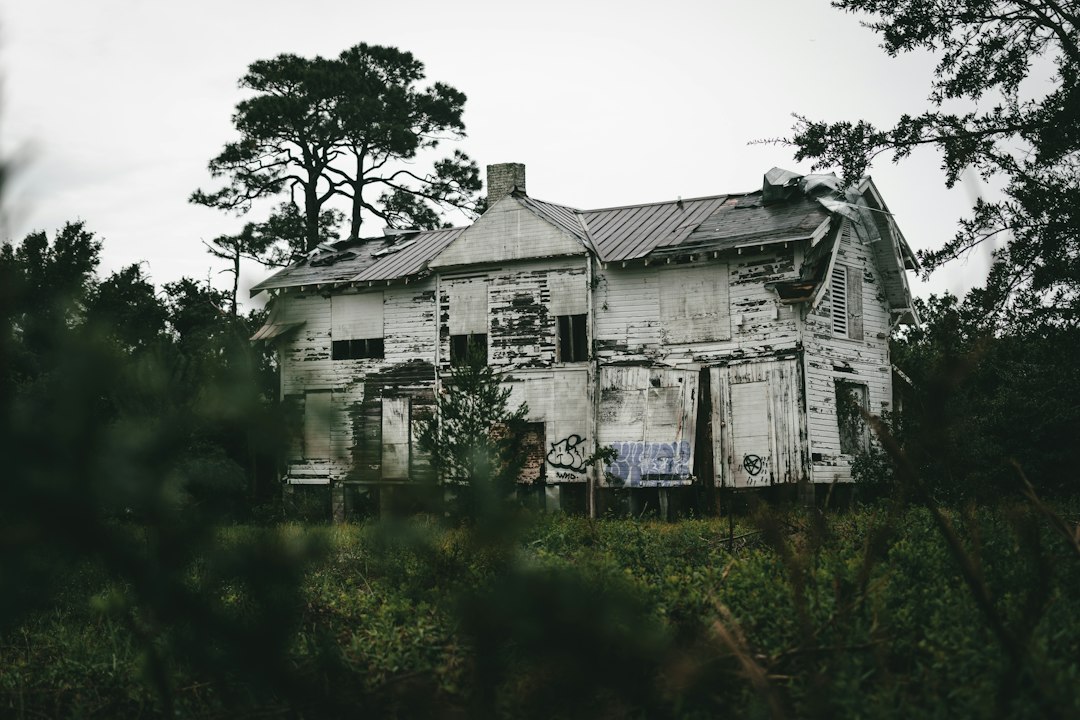
Zombie properties are homes in the foreclosure process that the owner has already moved out of, leaving the house vacant while the loan is still in default and the bank has not yet taken title. The owner still legally owns it, which is exactly why these houses are worth an investor’s attention: someone with the right to sell exists, they are often reachable, and many of them want the problem gone.
They are also easy to misunderstand. A vacant, overgrown house with a foreclosure filing is not abandoned in any legal sense, the lender cannot sell it to you before the foreclosure ends, and walking in to “claim” it is trespassing. The opportunity is a conversation with the owner, a payoff or short sale with the lender, and a buyer who can handle a house that has sat empty.
How many zombie properties there are in 2026
ATTOM tracks zombies every quarter. Its Q3 2026 Vacant Property and Zombie Foreclosure Report, released August 28, 2026, found 259,666 of the country’s 104.6 million residential properties in the foreclosure process, and about 3.3 percent of those, or 8,482 properties, were zombies. That rate was down slightly from 3.4 percent in the prior quarter and a year earlier. Overall, 1.3 percent of residential properties nationwide were vacant.
The national number is small, but zombies cluster. ATTOM’s Q3 report listed the highest metro zombie rates in Youngstown, Ohio (12.1 percent of pre-foreclosures), Cedar Rapids, Iowa (11.6 percent), Baltimore (11.5 percent), Fort Wayne, Indiana (11.1 percent) and Akron, Ohio (10.5 percent). Ohio’s count fell 10.8 percent to 602, Indiana’s rose 17 percent to 344, and California’s fell 8 percent to 298. In the Q2 2026 report, New York had 1,352 zombies. Zombies tend to build up where foreclosures take longer to finish, because the longer a case runs, the more time an owner has to give up and leave.
Why zombie properties happen
The usual story is simple. An owner falls behind, receives foreclosure notices, and assumes the house is already lost. They move in with family, take a job elsewhere or rent somewhere cheaper. But a foreclosure is a process, not an event. Under federal servicing rules at 12 CFR 1024.41(f), a servicer generally cannot make the first foreclosure notice or filing until the loan is more than 120 days delinquent, and the Consumer Financial Protection Bureau notes that in every state the owner has the right to stay in the home during the entire foreclosure process. In judicial states the process can then run for many months or years. Meanwhile:
- The owner remains on title and remains liable for taxes, code violations and, often, the debt.
- The servicer may delay or pause the case, sometimes because the property’s value no longer justifies the cost of finishing.
- The house deteriorates: grass, broken windows, frozen pipes, break-ins.
- The city starts issuing violations to an owner who no longer lives there.
State laws aimed at zombie properties
Several states put duties on lenders or created faster paths for vacant homes. These laws change how long a zombie lingers and who maintains it, so they matter to anyone working these leads. The rules differ by state, which is why the state guide matters more than any national generalization.
| State | Law | What it does |
|---|---|---|
| New York | RPAPL 1308 (2016) | Lenders must inspect delinquent one-to-four-family homes within 90 days and maintain them once vacant; a lender registry of vacant properties |
| New York | Zombie Property Remediation Act of 2019 (RPAPL 1392) | Lets a city, town or village sue a lender to start or move a foreclosure forward, or discharge the mortgage |
| New Jersey | P.L. 2014, c.35 and 2019 amendments | Towns can fine lenders that fail to maintain vacant homes in foreclosure; creditors must file contact information; faster foreclosure for vacant homes |
| Ohio | R.C. 2308.02 | A lender can move to expedite foreclosure of vacant, abandoned homes; the court decides within 21 days and the sale is offered within 75 days of the order |
New York’s Department of Financial Services describes the 2016 law on its zombie property legislation page, and the 2019 act is on the New York Senate’s site. DFS also notes that the vacant property registry is confidential by law and not available to the public, so investors cannot pull it as a lead list. Ohio’s expedited process is in Ohio Revised Code 2308.02; our Ohio foreclosure timeline explains how it fits the rest of that state’s process. In New Jersey, the 2014 law set fines starting at $1,500 a day for in-state creditors and $2,500 for out-of-state creditors who fail to maintain a vacant home after a foreclosure complaint is filed.
Local vacant property registration
Many cities also require owners or lenders to register vacant buildings. A 2013 HUD Cityscape article counted more than 550 local vacant property registration ordinances in the United States as of 2012, and the number has grown since. Where a registry is public, it can be a lead source; where it is not, code enforcement records often show the same houses. Some of those cases end with a placard on the door, and our guide to buying a condemned house explains how that changes the repairs, the buyer pool, and the offer.
How to find zombie properties
No public list is labeled “zombie.” You build one by combining two signals: an active foreclosure and evidence of vacancy.
- Start with the foreclosure filings. In judicial states, court dockets; in nonjudicial states, recorded notices of default or sale. Our guide to pre-foreclosure leads covers where each comes from.
- Add vacancy signals. Vacant flags from your data provider, utility shutoff indicators where available, returned mail and code violations for tall grass or open structures. Code violation leads overlap heavily with zombies.
- Stack the lists. A property that shows up on foreclosure, vacancy and tax-delinquent lists at once is a strong candidate; see list stacking.
- Drive the list. Boarded windows, lender lockboxes, notices taped to doors and overgrown yards confirm what the data suggests. Driving for dollars also turns up zombies that data misses. Look from the street; do not enter the property.
- Find the owner. The mailing address on file is often the vacant house itself. Skip tracing, court filings, obituaries and neighbors who knew the family are how you reach someone who moved away.
How a zombie deal actually closes
Once you reach the owner, the structure depends on one number: what they owe compared with what the house is worth in its current condition.
| Situation | Likely path | Who has to agree |
|---|---|---|
| Payoff well below as-is value | Standard purchase; loan paid off at closing | Owner (and any co-owners) |
| Payoff close to as-is value | Tight purchase, possibly with the owner taking little or nothing | Owner |
| Payoff above as-is value | Short sale | Owner and lender |
| Owner deceased | Estate or heirs sell; see probate leads | Personal representative or heirs |
| Foreclosure completes | Lender-owned; see REO properties | Lender |
Order a payoff statement with the owner’s written authorization as early as possible. Foreclosure fees, attorney costs, inspection charges and the lender’s property preservation costs are often added to the balance, so the figure can be thousands higher than the owner remembers. A deed in lieu of foreclosure is another exit an owner may raise; it is a deal between the owner and the lender, and an investor is not usually part of it.
Two hypothetical zombie deals
All figures below are hypothetical. Both houses have sat vacant for over a year, with the owners living out of state.
| Line item | House 1 (equity) | House 2 (underwater) |
|---|---|---|
| After-repair value | $175,000 | $140,000 |
| Repairs, including vacancy damage | $35,000 | $38,000 |
| Buyer’s maximum price (70% of ARV less repairs) | $87,500 | $60,000 |
| Your assignment fee | $10,000 | $8,000 |
| Contract price with seller | $77,500 | $52,000 |
| Payoff (balance, arrears, fees) | $52,000 | $81,000 |
| Seller’s closing costs (estimate) | $3,000 | $3,000 |
| Net to owner | About $22,500 | About -$32,000 |
House 1 is a standard deal: the owner walks away with money, the loan is paid, and the foreclosure stops. House 2 only works as a short sale, where the lender agrees to accept less than the payoff. That takes the owner’s cooperation, a hardship package, a lender-ordered valuation and patience, and the lender may counter at a higher price than your buyer will pay. Vacancy damage is the wild card in both: a frozen-pipe winter can add $15,000 to a repair budget, so walk the property with the owner’s permission before you lock the price. Run each scenario in the MAO calculator.
Talking to the owner of a zombie property
Many owners do not know they still own the house. Some think the bank took it years ago; others assume they owe nothing because they left. Your first job is information, not an offer. Tell them who you are, that county records still show them as the owner, and that the foreclosure appears to be open. Ask what they know about the loan and whether they have spoken with the servicer. Many will be relieved someone explained it.
Be careful with what you promise. States regulate foreclosure rescue and distressed-property transactions in different ways, some require specific contract language and cancellation rights, and several states now regulate wholesaling itself. Never suggest you can stop the foreclosure, negotiate with the lender on the owner’s behalf for a fee, or that the owner should stop talking to the servicer. If the deal needs a short sale or the owner is in active litigation, bring in a real estate attorney or an experienced closer early.
Selling a vacant house to your buyers
Rehab buyers have learned to discount vacant houses heavily, and they are right to. A deal package for a zombie should answer their questions before they ask:
- How long has it been empty? Neighbors, utility status and the condition of the yard usually tell you.
- Were utilities shut off before winter? Ask the owner whether the house was winterized. If not, assume plumbing work.
- Is there water intrusion? Photos of ceilings, the basement and under sinks matter more than kitchen photos.
- What open violations and liens exist? List them with amounts, and say who pays at closing.
- What is the timeline? A standard purchase and a short sale are different products; label which one this is.
Access is the practical hurdle. Arrange showings through the owner, who may need to send you a key or authorize a locksmith, and confirm the lender has not changed the locks under a preservation clause. Get permission in writing before anyone goes inside.
A 30-day plan for zombie leads
- Days 1 to 5: Pull foreclosure filings for one county and match them against vacancy and code-violation data. Aim for a list of 50 to 100 likely zombies.
- Days 6 to 10: Drive the list or send a field rep. Photograph from the street and mark which houses look vacant.
- Days 11 to 15: Skip trace the confirmed vacant houses and mail the owner at every address you find, not just the property address.
- Days 16 to 25: Call, text where your consent and compliance process allows it, and follow up. Expect wrong numbers; this list is harder to reach than most.
- Days 26 to 30: For every owner you reach, request a payoff authorization, pull title and walk the property. Only then write offers.
Track how many zombies you identified, reached, walked and contracted. After a few cycles you will know whether zombies are a profitable niche in your county or a side source that complements other absentee owner leads.
When zombie properties are the wrong target
- You cannot find the owner. No signature means no deal. Do not let a buyer pressure you into a contract you cannot perform.
- The house is deeply underwater and you have no short sale experience. Short sales are slow; a first deal is usually better done with a partner who has closed them before.
- The sale date is days away. Without a postponement, even a willing owner may not be able to close in time.
- Damage is unknown. A house that has been open to weather can hide mold, structural water damage and stripped plumbing. Price that risk or pass.
- The title is messier than the loan. Code liens, municipal demolition orders, judgments and unpaid taxes can exceed the equity. Pull title before you commit.
Where beginners lose money with zombie properties is assuming vacancy equals motivation equals discount. An owner who has walked away may still hold out for a price they remember from years ago, the lender may refuse a short sale, and the house may be worse inside than the street view suggests. Treat each zombie as a title problem and a repair problem first, and a lead second.
Zombie property questions
Can I buy a zombie property from the bank?
Not while it is still a zombie. Until the foreclosure sale, the owner holds title. You can buy from the owner, through a short sale with the lender’s approval, at the foreclosure auction, or later as an REO from the lender.
Who maintains a zombie property?
The owner is generally responsible, but some states, including New York and New Jersey, put maintenance duties on lenders once a property is vacant and in foreclosure, and cities can cite whoever the law makes responsible.
Is a zombie property abandoned property I can claim?
No. Vacancy does not end ownership. Entering or occupying the house without the owner’s permission is trespassing, and adverse possession is a long, state-specific legal doctrine, not an investing strategy. Our guide to squatters rights for investors covers what to do when someone is already living in a vacant house you want to buy.
Does the owner of a zombie property still owe the mortgage?
Moving out does not cancel the loan. Whether the owner can be held responsible for any shortfall after a foreclosure or short sale depends on state law and the lender’s choices, which is a question for the owner’s own attorney or a housing counselor.
Are zombie properties good deals for beginners?
They can be, when the owner has equity and is easy to reach. The underwater ones are harder, because they turn into short sales that need lender approval and months of follow-up. A beginner does best filtering for zombies with a modest loan balance relative to value, often older loans, and partnering on the rest.
More for vacant and distressed houses
Work vacant foreclosures with a system
Get the free starter kit: a deal analyzer that handles payoffs and vacancy repairs, starter contracts, a seller script for owners who moved away, and a buyer’s list checklist for rehab-ready buyers.