Life Estate: How Investors Buy and Clear These Properties
A life estate lets one person use a property for life, after which it passes to the remaindermen. Here is who must sign, how title is cleared, and how investors close these deals.
Practical guides on finding deals, finding buyers, and closing your first wholesale assignment.

A life estate lets one person use a property for life, after which it passes to the remaindermen. Here is who must sign, how title is cleared, and how investors close these deals.
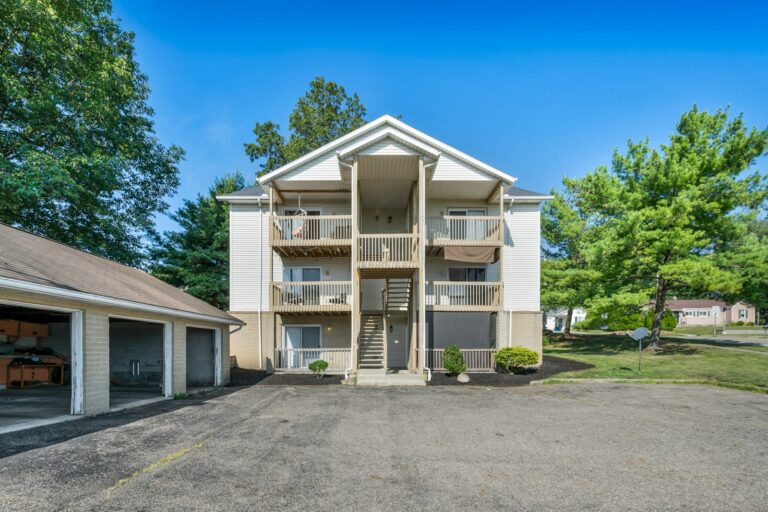
The 1031 exchange rules let you defer capital gains tax when you sell investment real estate and reinvest in other investment real estate within strict deadlines. Here is how each rule works, with a worked example.
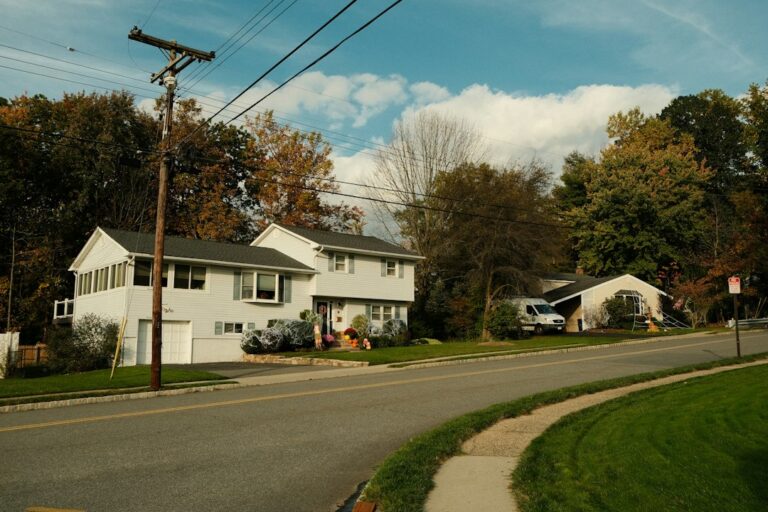
The New Jersey foreclosure process is judicial: the lender sues in Superior Court, wins a final judgment, and the county sheriff sells the property. The long timeline gives investors time to reach owners before a sale.

Wholesaling commercial real estate means contracting a commercial property below what an investor will pay and assigning the contract for a fee. The mechanics match residential deals, but valuation, buyers, and legal risk differ.

A hoarder house is a home so full of possessions that rooms can no longer be used, and it is one of the most overlooked off-market deals. Many owners and families sell as-is rather than clear it first.

A condemned house is a property a local code official has declared unsafe or unfit to live in. You can usually buy, sell, and wholesale one; you just cannot occupy it until the violations are fixed.
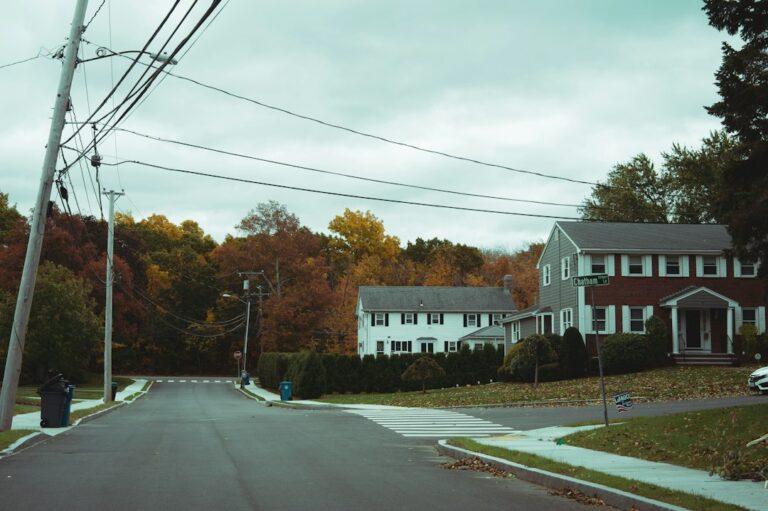
Real estate comps are recently sold properties similar enough to a subject property that their prices tell you what it is worth. Investors pull three sets: as-is, after-repair, and rent comps.
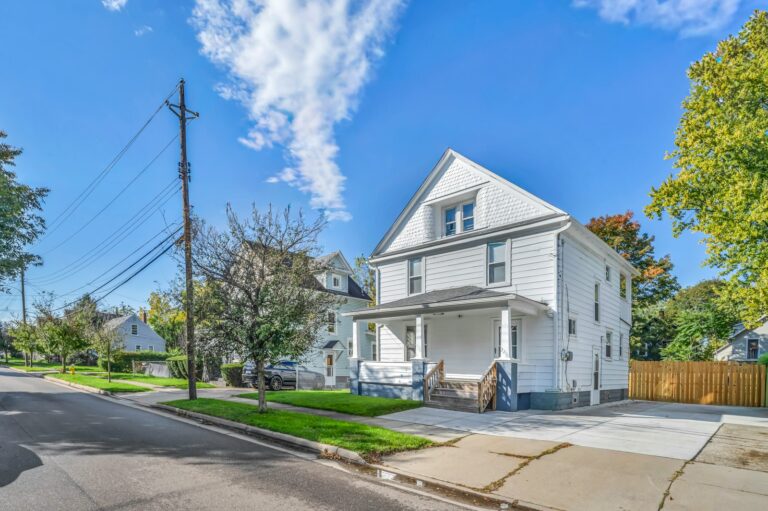
A certificate of occupancy (CO) is the document a local building department issues to say a building, or part of one, has passed its inspections and may legally be used for a specific purpose. For investors, it defines how many units you are legally buying, and in some towns a resale inspection can add repairs and delays before closing.

An easement in real estate is a recorded or legally recognized right that lets someone other than the owner use part of a property for a specific purpose, such as a driveway across a neighbor’s lot, a power line along the back fence, or a drainage swale through a side yard. The owner keeps title, but the easement usually runs with the land, so whoever buys the property, including your end buyer, takes it subject to that right.

The loan to value ratio (LTV) is the loan amount divided by the property’s value, expressed as a percentage: a $240,000 loan on a $300,000 house is an 80% LTV. Lenders use it to decide how much they will lend and at what price, and investors use it to figure out how much cash a deal needs and how much equity a seller really has.