
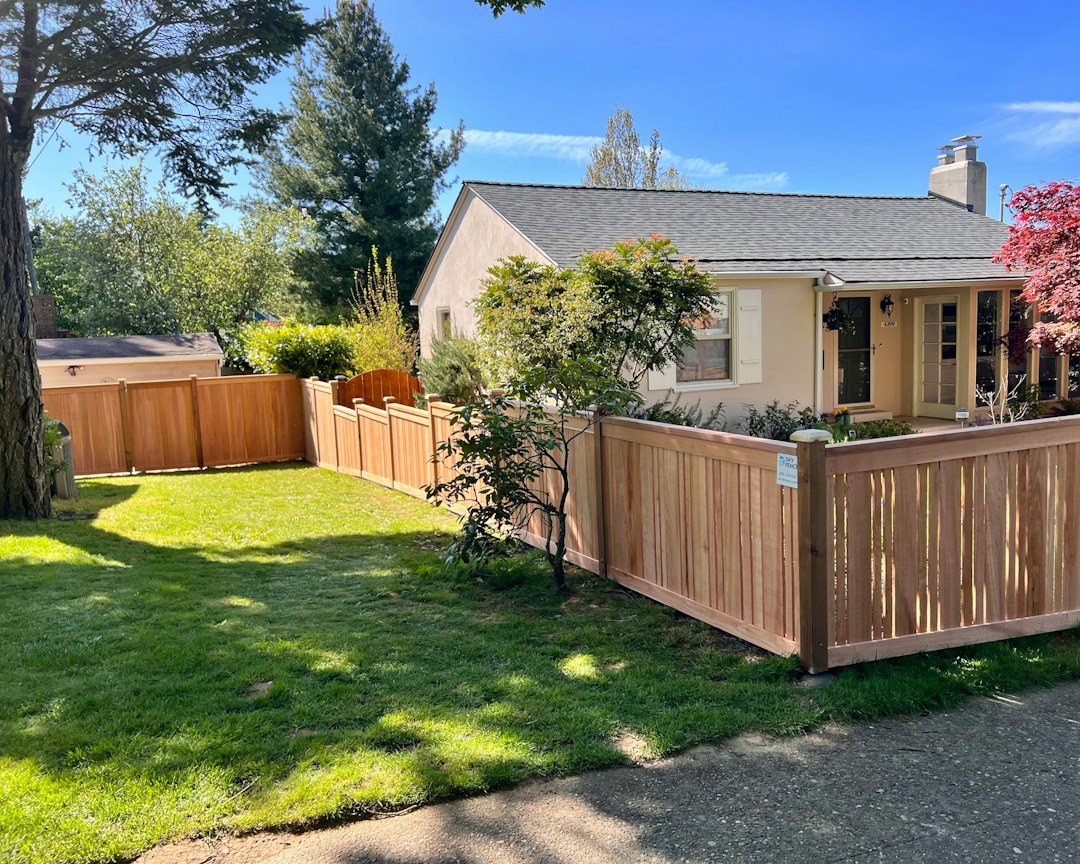
Fee simple is the most complete form of property ownership in U.S. law: the owner can use, sell, lease, mortgage, and leave the land to heirs, and the interest lasts indefinitely. Because it stretches forever, there can only be one fee simple at a time in a given piece of land, so for investors the real question is whether the person signing your contract actually holds it.
That question matters more in wholesaling than almost anywhere else. When you assign a purchase contract, your buyer is paying for the seller’s ability to deliver a certain estate at closing. If the seller holds something less, such as a life estate, a leasehold, or a fractional inherited share, the deal can collapse at the title company. This guide explains what fee simple means, the variations you will run into, and how to confirm ownership before you market a deal.
What fee simple ownership includes
Cornell’s Legal Information Institute describes a fee simple as the greatest possible property interest in land, granting its owner all traditional property rights (Cornell LII, fee simple). Historically, a deed had to say “to X and their heirs” to transfer one. Today, the law presumes a fee simple passes unless the deed clearly grants something smaller.
In practical terms, a fee simple owner holds the full “bundle of rights”:
- Possession and use, within the limits of law and recorded restrictions
- Exclusion, the right to keep others off the property
- Transfer, by sale, gift, or will
- Encumbrance, the right to mortgage the property or grant easements
- Division, the ability to carve out lesser interests such as leases or life estates
Limits on even the strongest ownership
“Absolute” ownership is never unlimited. Government powers sit on top of every fee simple:
- Taxation. Unpaid property taxes can lead to a tax lien or tax sale.
- Eminent domain. Government can take private property for public use, but the Fifth Amendment requires just compensation (U.S. Constitution, Fifth Amendment).
- Police power. Zoning, building codes, and health and safety rules restrict what you can build and how you can use the land.
- Escheat. If an owner dies with no will and no heirs, the property passes to the state.
Private limits matter just as much in daily investing: mortgages, judgment liens, easements, and deed restrictions or HOA covenants. A property can be owned in fee simple and still carry all of these. Fee simple tells you the type of estate; the title report tells you what is attached to it.
Types of fee simple estates
Cornell’s summary lists four categories. Most residential deals involve the first, but the others still turn up in older deeds, church and school property, and family land.
| Type | How it works | Example language | Investor risk |
|---|---|---|---|
| Fee simple absolute | No conditions; ownership continues regardless of future events | “To Maria and her heirs” | Lowest; the standard for most homes |
| Fee simple determinable | Ends automatically and reverts to the grantor if a stated condition occurs | “So long as the land is used as a park” | Changing the use can end the owner’s estate |
| Fee simple subject to a condition subsequent | If the condition occurs, the grantor may choose to take the property back | “But if alcohol is ever sold on the property, the grantor may re-enter” | A dormant right can be exercised later |
| Fee simple subject to an executory interest | If the condition occurs, ownership shifts to a named third party | “To the church, but if it stops holding services, to the county” | A third party may hold a future claim |
The last three are called defeasible fees because they can be cut short. If you are buying land from a church, school, civic group, or family that received it under an old deed, read the chain of deeds for “so long as,” “until,” “provided that,” or “but if” language. A title company will often list these as exceptions, and resolving one may require a release from the grantor’s successors or a quiet title action.
Fee simple vs. other ways to hold property
| Interest | What the holder owns | How long it lasts | Can the holder sell the whole property? |
|---|---|---|---|
| Fee simple | The full estate | Indefinitely | Yes |
| Life estate | Possession and use during a person’s life | Until the measuring life ends | No; only the life interest |
| Leasehold or ground lease | The right to occupy for a term | Until the lease ends | No; only the remaining lease term |
| Condominium unit | Title to the unit plus shared rights in common areas | Indefinitely | Yes, the unit, subject to association rules |
| Tenancy in common share | An undivided fractional share of a fee | Indefinitely | Only their share, unless all co-owners join |
A life estate is a common source of failed wholesale deals: the person living in the house may own only a life interest, with the remainder already belonging to children. A tenancy in common creates a different problem, because one co-owner cannot sell the whole property alone. Condominium owners hold title to their unit, along with membership in the association and the obligation to pay its fees (Cornell LII, condominium).
Split estates: when the surface and minerals have different owners
A fee simple can also be split horizontally. In oil and gas states, the mineral estate is often owned separately from the surface. The Texas Railroad Commission explains that land ownership in Texas includes a surface estate and a mineral estate, that the two are commonly owned by different people where there has been oil and gas development, and that the mineral estate is dominant, meaning the mineral owner may use the surface as reasonably necessary to develop the minerals (Texas Railroad Commission).
If you wholesale rural land, check whether the seller still owns the minerals and say clearly in your marketing what is included. A buyer who assumes they are getting mineral rights and discovers at closing that they are not may walk away. Our guide to wholesaling land covers other rural due diligence items.
Where fee simple shows up in your paperwork
- The vesting deed. The deed into your seller shows how title was conveyed and whether any conditions or retained interests were created.
- The title commitment. Schedule A states the estate or interest being insured and who holds it. Our guide to the title commitment explains how to read Schedules A and B.
- The owner’s title policy. Insures the stated estate, subject to the listed exceptions.
- Your purchase contract. Should require the seller to convey marketable fee simple title, subject only to permitted exceptions you have approved.
The type of deed matters too. A general warranty deed promises the grantor will defend title against all claims, while a quitclaim deed transfers only whatever interest the grantor has, if any. Our comparison of a warranty deed vs. quitclaim deed explains when each is used.
Why fee simple matters in a wholesale assignment
A wholesale contract gives you an equitable interest: the right to buy the property on the contract’s terms. When you assign that contract, your buyer steps into your right to receive the seller’s title at closing. If the seller cannot deliver the estate the contract describes, your buyer has no reason to close and you have no fee to collect.
Worked example 1: the life tenant (hypothetical)
All names and figures are hypothetical. An 81-year-old homeowner agrees to sell you her house for $145,000. The title search shows that five years ago she deeded the house to her two sons and kept a life estate for herself. She holds only a life estate. To sell the whole property, all three must sign: the mother and both sons. If one son refuses, the deal cannot close as written. The fix is to identify every owner before you sign, and to write the contract with all of them.
Worked example 2: the inherited fractions (hypothetical)
A house passed without a will to a man’s four children years ago. One child, who lives in the house, wants to sell. Depending on state intestacy law and whether a probate was ever opened, each child may hold an undivided share. One child alone can sign a contract for their share, but no end buyer wants a quarter of a house. You need all four heirs, a probate, or a court process. Our guide to heirs’ property explains how investors handle these situations respectfully and legally.
Worked example 3: the “cheap” condo on leased land (hypothetical)
A condo is listed far below nearby units. The reason is in the title commitment: the building sits on land held under a ground lease with 22 years remaining. The seller owns a leasehold, not a fee simple. Lenders may limit financing as the lease term shortens, and the buyer pool narrows. The price may be fair for what it is, but a buyer comparing it with fee simple condos is comparing different products.
Condos, co-ops, and townhomes: same building, different estates
Multi-unit housing is where the type of estate most often surprises investors, because three properties that look identical from the street can be owned in completely different ways.
- Condominium. The owner holds title to the unit itself, typically in fee simple, plus shared rights in the common elements and membership in the association.
- Cooperative. Residents own shares in a corporation that owns the building and receive a lease to their unit. A co-op purchase is a transfer of shares, often requiring board approval, not a deed to real estate.
- Fee simple townhome. The owner holds the lot under the unit, and sometimes a small yard, with an association that maintains shared areas.
Each type changes the closing process, the documents a title company needs, and who your end buyer can be. A cash buyer used to deeded single-family houses may not want a co-op that requires board interviews and financial disclosures, so confirm the ownership type before you put a deal in front of your list.
How the estate affects your exit strategy
The estate your seller holds shapes who will buy from you and how they can pay. Lenders, title insurers, and end buyers price fee simple as the default. When a property is held in some lesser form, each of those parties adds conditions:
| Exit | What the end buyer needs | Where a lesser estate causes trouble |
|---|---|---|
| Fix and flip | Insurable title that a retail buyer’s lender will accept | Defeasible fees, reversions, or short leaseholds can block the retail sale |
| Buy and hold rental | Long-term financing and a clean owner’s policy | Ground leases and life estates limit lending and resale |
| Land development | Clear rights to build, including access and minerals where relevant | Split mineral estates and use restrictions reduce value |
| Owner-occupant resale | Conventional mortgage eligibility | Unusual estates narrow the buyer pool |
None of these problems means you must pass on the deal. It means the price has to reflect the extra steps, and you need a buyer who understands what they are getting.
Due diligence checklist: confirming the seller’s estate
- Pull the vesting deed from the county recorder and read the granting clause and any reservations.
- Compare the names on the deed with everyone who is signing your contract.
- Ask direct questions: Has anyone else ever been added to the deed? Was the property inherited? Is there a trust, a life estate, or a ground lease?
- Order a title search early, before you spend money marketing the deal.
- Look for conditional language in older deeds in the chain.
- Check mineral and water rights on rural parcels.
- Write the contract correctly: seller to convey marketable fee simple title by an agreed deed type, with a remedy if title cannot be cleared.
Property held in a trust adds another layer. The trustee, not the beneficiary, usually signs. Our guide to the land trust explains how trustee authority works in that structure.
Common mistakes with fee simple and title
- Contracting with the person who lives there instead of the person on the deed.
- Assuming a quitclaim deed fixes ownership. It conveys only what the grantor holds.
- Marketing before title is checked, then losing credibility with your buyers list when the deal falls through.
- Confusing “fee simple” with “free and clear.” Fee simple describes the estate, not the absence of liens.
- Ignoring leasehold and ground-lease disclosures in condo and resort markets.
When a deal is not what it looks like
Walk away, or slow down and bring in a title company or attorney, when the seller cannot explain how they acquired the property, when the deed shows multiple owners and only one is talking to you, or when the title commitment shows a defeasible fee, a reversion, or a long-term lease. These problems can often be solved, but solving them takes time, documents, and sometimes court involvement. A wholesale timeline built around a 30-day close rarely survives them. Price that time into your offer or pass.
Fee simple FAQ
Does fee simple mean there is no mortgage?
No. Fee simple describes the type of ownership. A fee simple owner can have one or more mortgages, liens, and easements on the property.
Is a townhouse fee simple?
Many townhouses are sold as fee simple lots with the owner holding the land under the unit, while others are legally condominiums. The declaration and deed tell you which, and the difference affects insurance, association duties, and financing.
What is the difference between fee simple and leasehold?
A fee simple owner owns the property indefinitely. A leasehold owner has the right to occupy for the remaining term of a lease, after which the property returns to the landowner.
Can I wholesale a property if the seller has only a life estate?
Only if the remainder owners also sign, or if you are deliberately buying the life interest alone, which few end buyers want. Identify all owners before you sign.
How do I know what estate my seller owns?
Read the vesting deed and order a title search. The title commitment states the estate being insured and the owner of record, along with every exception.
Can an owner lose a fee simple?
Yes. Foreclosure, a tax sale, eminent domain, or a court judgment can transfer it, and a defeasible fee can end if its condition occurs. Fee simple is the strongest form of ownership, not a guarantee against every claim.
Explore wholesaling markets by state
Start every deal with clean paperwork
Get the free starter kit with starter contracts that spell out the title you are buying, a deal analyzer, a seller script for confirming ownership, and a buyer’s list checklist.
Related guides
Fresh from the blog
Latest wholesaling guides

Massachusetts Foreclosure Process: A Stage-by-Stage Guide for Investors
The Massachusetts foreclosure process is mostly nonjudicial: after a 90-day right-to-cure notice and a short servicemembers case, the lender can…
Read the guide
Tired Landlords: How to Find Them, What to Say, and Deals That Fit
Tired landlords are rental owners who no longer want to deal with tenants, repairs or management and will trade some…
Read the guide
SEO for Real Estate Investors: How to Rank for Motivated Seller Searches
SEO for real estate investors means getting your website in front of homeowners who search for a fast or as-is…
Read the guide
How to Calculate Price Per Square Foot (and When It Misleads)
To calculate price per square foot, divide a home's sale price by its finished, above-grade living area. The math is…
Read the guide
How to Buy an Abandoned House: Find the Owner, Clear Title, Close
To learn how to buy an abandoned house, start with the fact most guides skip: someone still owns it. You…
Read the guide
DealMachine vs PropStream: Which Is Better for Finding Deals?
DealMachine vs PropStream compared: pricing, driving for dollars, list building and which tool suits a new wholesaler.
Read the guide
PropStream vs BatchLeads: Which One Should a Wholesaler Pick?
PropStream vs BatchLeads compared for wholesalers: pricing, data, skip tracing, texting and which one fits your first deals.
Read the guide
Liquidated Damages in Real Estate: How the Clause Protects Wholesalers
Liquidated damages in real estate are a sum, usually the earnest money, that the seller keeps as full compensation if…
Read the guide
Lead-Based Paint Disclosure: What Investors Must Do Before Selling or Renting
A lead-based paint disclosure is required before a buyer or tenant is bound on any home built before 1978. Here…
Read the guide