
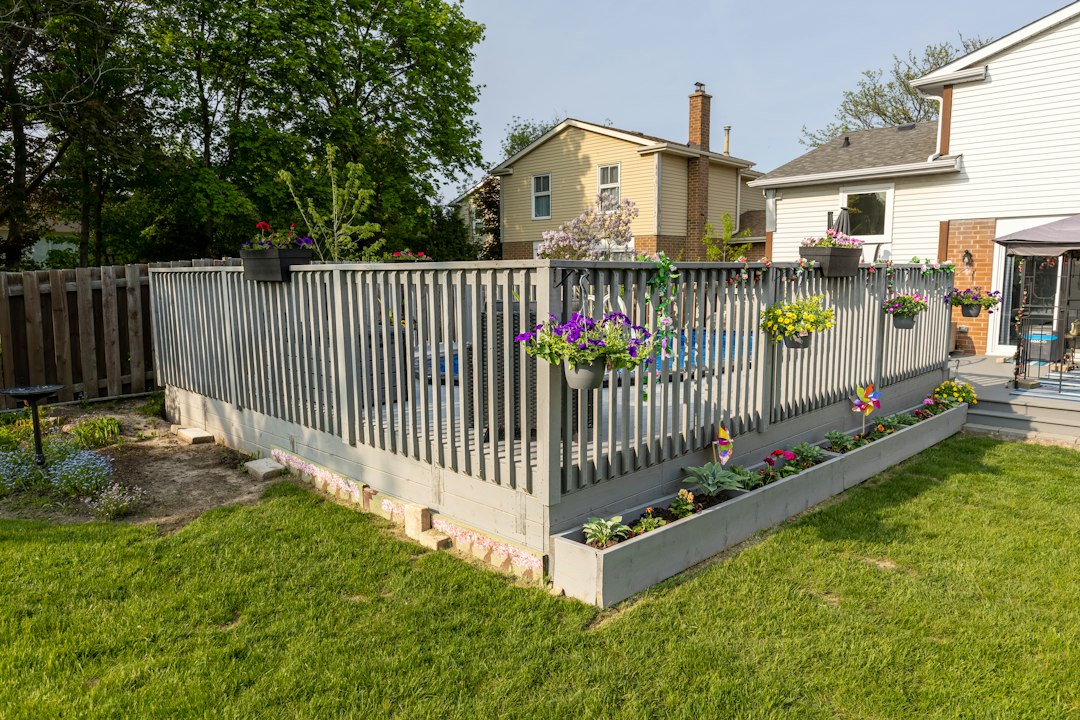
An encroachment in real estate is any structure or improvement that crosses a property line or extends into an easement or setback where it has no legal right to be, such as a neighbor’s fence two feet onto your lot, a garage built over a utility easement, or your own deck reaching into the side-yard setback. For an investor, an encroachment is a title and survey problem that can lower a property’s value, delay a closing, or scare off a buyer’s lender, so it needs to be found and priced before you commit to a deal.
The good news is that most encroachments are fixable, and some create negotiating room. The bad news is that the standard way most beginners buy, with a quick title search and no survey, is exactly the way encroachments go unnoticed. This guide covers the common types, how they are found, what title insurance does and does not cover, how state adverse possession law changes the risk, and how to resolve an encroachment or price it into an offer.
Common types of encroachment
Encroachments run in both directions. Your property may encroach on a neighbor, a neighbor may encroach on you, or either may encroach on an easement or a public right-of-way. The ones that show up most often in residential deals:
- Fences and walls built along a line that was guessed rather than surveyed.
- Driveways and parking pads that cross the line, often in older neighborhoods with narrow lots.
- Sheds, garages, and carports, especially ones added without permits.
- Additions, decks, and porches that extend into a setback set by zoning or deed restrictions.
- Improvements over easements, such as a pool or patio over a utility or drainage easement.
- Roof overhangs, eaves, and gutters that hang over the line even when the foundation does not.
- Landscaping and retaining walls that move the visible boundary over time.
- Third-party use of the property, such as a neighbor’s driveway or path across the lot with no recorded easement.
Some of these are minor and some are serious. A shed that can be moved is a weekend project. A house wall over the line, or a garage over a sewer easement, can affect whether the property is financeable at all.
Encroachment vs. easement
The two are related but legally different. An easement is a recorded or legally recognized right for someone else to use part of the property, such as a utility line or a shared driveway. An encroachment is an improvement that sits where it has no right to be. A neighbor’s driveway with a recorded easement is a burden you accept; the same driveway with no easement is an encroachment that could become an easement by prescription, or even ownership by adverse possession, if it continues long enough in the right way.
How encroachments are found
A title search alone rarely reveals an encroachment, because encroachments are physical facts on the ground, not documents in the county records. Our guide to how to do a title search covers what the records will show; to see what is actually on the land, you need a survey.
Boundary surveys and mortgage inspections
A boundary survey, prepared by a licensed land surveyor, locates the property lines and shows improvements in relation to them. Some lenders and title companies in certain states accept a less detailed mortgage inspection or survey affidavit instead, which may not be enough to rely on for an encroachment question. Ask the surveyor exactly what is being measured.
ALTA/NSPS surveys
For larger or commercial deals, the industry standard is an ALTA/NSPS Land Title Survey. Updated standards took effect on February 23, 2026, and as McGuireWoods summarizes the 2026 ALTA/NSPS changes, an optional Table A item now has the surveyor compile a summary table of physical conditions and potential encroachments observed in the field, including encroachments across boundary lines in either direction, into easements or rights-of-way, and into setback areas, plus third-party use of the property without an easement. Those surveys cost more than a residential boundary survey, but on a small apartment building or a commercial wholesale deal they are often worth it.
Clues you can spot before ordering a survey
- Fences that do not line up with the plat or with neighboring fences.
- Driveways that curve onto the next lot or share a single apron.
- Structures close to the side or rear line, especially additions that look newer than the house.
- County GIS parcel lines that cut through a structure. GIS maps are not surveys and are often off by several feet, but a line through a building is worth checking.
- A seller who mentions a past dispute or an informal agreement with a neighbor.
What title insurance does and does not cover
Title insurance is the main protection against hidden title problems, but encroachments are a common gap. Many standard owner’s policies include a general exception for matters an accurate survey would disclose. If that exception stays in the policy, the insurer is not covering encroachments a survey would have found.
To get that exception removed or narrowed, title companies typically need a current survey and may offer extended coverage. They also offer endorsements written for this risk. The ALTA 28.1 encroachment endorsement guideline describes coverage for loss caused by an encroachment of an improvement on the land onto adjoining land or onto a portion of the land subject to an easement, as well as by enforced removal. Availability and pricing vary by state and underwriter. Read Schedule B of the title commitment carefully, and ask the title officer how the survey exception and any encroachment endorsement will appear in the final policy. Our guide to title insurance for investors covers the rest of the policy.
Adverse possession and prescriptive easements by state
An encroachment that is left alone for long enough can become more than a nuisance. Under adverse possession, a person who openly occupies someone else’s land for the statutory period, under conditions that vary by state, can gain title to it. A similar doctrine, the prescriptive easement, can give a long-term user a permanent right to use part of the land. The time periods vary widely, as Justia’s 50-state survey of adverse possession laws shows:
| State | General period | Shorter period or condition |
|---|---|---|
| California | 5 years | Claimant must have paid the property taxes |
| Texas | 10 years | 3 or 5 years in some cases, such as color of title or a recorded deed with taxes paid |
| Florida | 7 years | Specific requirements apply with or without color of title |
| New York | 10 years | Statute deems many minor non-structural encroachments permissive |
| Georgia | 20 years | 7 years with written evidence of title |
| North Carolina | 20 years | 7 years under color of title |
| Pennsylvania | 21 years | 10 years for certain small lots improved with a single-family home |
| Ohio | 21 years | None listed |
| Illinois | 20 years | 7 years in some cases with color of title and taxes paid |
| Oklahoma | 15 years | 5 years in limited situations |
New York is a good example of how much the details matter. Under New York RPAPL section 543, de minimis non-structural encroachments, including fences, hedges, shrubbery, plantings, sheds, and non-structural walls, are deemed permissive and non-adverse, so they do not start the adverse possession clock in the usual way. Other states have no such rule. Because the elements differ, treat this table as a starting point and confirm the rule in the state where the property sits with a local real estate attorney before relying on it. Our guide to squatters’ rights covers how adverse possession applies to occupied houses.
How to resolve an encroachment
The right fix depends on how serious the encroachment is, who is encroaching on whom, and how cooperative the neighbor is. Typical options, roughly from least to most expensive:
- Remove or move the improvement. A fence, shed, or landscaping can often be relocated. Get a survey first so the new location is correct.
- Boundary line agreement. The two owners sign and record an agreement fixing the line where it has been treated as being. Some states have specific procedures for this.
- Easement or license agreement. The owner of the encroached land grants a recorded easement, or a revocable license, allowing the improvement to stay.
- Lot line adjustment or sale of a strip. One owner buys the strip of land under the encroachment. This usually requires local approval and a new legal description, and it may affect any mortgage on the parcel.
- Title insurance resolution. If you bought with coverage that includes the encroachment, the title insurer may handle the claim.
- Quiet title or ejectment lawsuit. When neighbors cannot agree, a court decides. A quiet title action is slow and expensive, so it is usually the last resort.
Whatever the fix, get it in writing and record it. An informal handshake with today’s neighbor does not bind the next owner.
An encroachment checklist for real estate deals
Use this sequence on every property you put under contract, scaled to the size of the deal:
- Pull the plat and legal description from the county and compare the lot shape with what you see on site and on aerial imagery.
- Walk the lines. Look for fences, driveways, sheds, and additions near the boundary, and photograph anything that looks close.
- Ask the seller directly whether there has ever been a boundary disagreement, a survey, or an informal arrangement with a neighbor, and note the answer in writing.
- Check for an existing survey in the seller’s closing file or with the title company that handled the last sale. An older survey can be updated, often for less than a new one.
- Order a boundary survey when anything looks close, when the lot is irregular, or when you plan an addition, ADU, or new fence.
- Send the survey to the title company and ask whether it will remove the survey exception or offer an encroachment endorsement.
- Set your inspection deadline with time to spare. Surveys can take weeks to schedule, so build that into the contract period instead of waiving it at the last minute.
Talking to the neighbor
Most encroachments are resolved by agreement, and the tone of the first conversation often decides the cost. Lead with the survey, not an accusation: the neighbor almost always believed the fence or driveway was in the right place. Explain what the survey shows, what you are proposing (an easement, a recorded boundary agreement, or moving the improvement), and who will pay for the paperwork. Offering to cover the attorney and recording costs is often cheaper than any alternative. Put the agreed terms in writing promptly and have a local attorney or title company prepare the recorded document, because a verbal agreement can disappear when either house is sold.
How to price an encroachment into a deal
An encroachment affects value in two ways: the cost to resolve it, and the effect on who can buy the property afterward. A buyer using conventional or government-backed financing may not be able to close until a serious encroachment is resolved, which narrows the resale market.
Worked example: a detached garage over the line
The figures are hypothetical and simplified. A house with an after-repair value of $210,000 has a detached garage that a survey shows sits about three feet over the rear line onto the neighbor’s lot. The neighbor is willing to sign a recorded easement for a payment, and an attorney estimates the paperwork.
| Item | Amount |
|---|---|
| ARV with the issue resolved | $210,000 |
| Boundary survey | $900 |
| Payment to neighbor for a recorded easement | $3,000 |
| Attorney fees and recording | $1,800 |
| Title endorsement or extended coverage | $400 |
| Two extra months of holding while it is resolved | $2,400 |
| Total cost of the encroachment | $8,500 |
If the investor had made an offer without knowing about the garage, those costs would come out of the profit. Knowing about it, they can reduce the offer by the cost, plus a cushion in case the neighbor changes their mind and the garage has to be removed. Run both scenarios through the MAO calculator so you know your number with and without the fix.
Using it in a wholesale deal
If you are wholesaling, disclose any known encroachment to your buyer and attach the survey. Buyers on your list are experienced and will find it anyway; surprising them at the title stage damages trust and can cost you the deal. If you are still negotiating with the seller, the cost to resolve the encroachment is a legitimate reason to adjust the price. Our real estate due diligence guide covers what else to check before you assign a contract.
When an encroachment is a deal-breaker
- The house itself is over the line. A primary structure across a boundary or over a major easement may require moving or removing part of the building.
- The encroachment blocks utilities or access. Improvements over a sewer, water, or drainage easement can be ordered removed by the easement holder.
- The neighbor is hostile and has a strong claim. If the neighbor may already own the strip by adverse possession, a lawsuit may be the only answer.
- The title company will not insure over it. If no title insurer will cover the issue, many lenders will not lend, and your resale market shrinks to cash buyers.
- The fix requires a variance. A setback encroachment that needs a zoning variance can take months, with no guaranteed outcome.
In those situations the right move is usually to walk away during the inspection period, or to renegotiate so the price reflects a cash-buyer-only exit.
Also watch the timing. An encroachment discovered a week before closing leaves little room to negotiate with a neighbor, order an updated survey, and get a title decision. Writing a survey contingency into your purchase agreement, with a deadline long enough to act on what the survey shows, turns a potential deal-killer into a pricing conversation.
Encroachment FAQ
Can a neighbor take my land by putting up a fence?
Possibly, if the fence stays long enough and the state’s adverse possession requirements are met. Periods range from 5 years in some cases to more than 20, and some states, like New York, treat many fences as permissive.
Does a title search show encroachments?
Usually not. Encroachments are physical conditions, so they are generally found through a survey, not the public records.
Should I buy a house with an encroachment?
Often yes, if the cost and time to resolve it are known, the title company will insure the result, and the price reflects both. Walk away if the encroachment involves the main structure, a major easement, or a neighbor with a strong adverse possession claim.
Who pays to fix an encroachment?
It depends on the deal. Before closing, it is negotiable between buyer and seller. After closing, it may fall to the owner, the neighbor, or a title insurer, depending on the facts and the coverage.
More on title and due diligence
Catch title problems before they cost you
Get the free starter kit: a deal analyzer with room for survey and title fixes, starter contracts with inspection-period language, a seller script, and a buyer’s list checklist so your exit is ready when the title is clear.
Related guides
Fresh from the blog
Latest wholesaling guides

Massachusetts Foreclosure Process: A Stage-by-Stage Guide for Investors
The Massachusetts foreclosure process is mostly nonjudicial: after a 90-day right-to-cure notice and a short servicemembers case, the lender can…
Read the guide
Tired Landlords: How to Find Them, What to Say, and Deals That Fit
Tired landlords are rental owners who no longer want to deal with tenants, repairs or management and will trade some…
Read the guide
SEO for Real Estate Investors: How to Rank for Motivated Seller Searches
SEO for real estate investors means getting your website in front of homeowners who search for a fast or as-is…
Read the guide
How to Calculate Price Per Square Foot (and When It Misleads)
To calculate price per square foot, divide a home's sale price by its finished, above-grade living area. The math is…
Read the guide
How to Buy an Abandoned House: Find the Owner, Clear Title, Close
To learn how to buy an abandoned house, start with the fact most guides skip: someone still owns it. You…
Read the guide
DealMachine vs PropStream: Which Is Better for Finding Deals?
DealMachine vs PropStream compared: pricing, driving for dollars, list building and which tool suits a new wholesaler.
Read the guide
PropStream vs BatchLeads: Which One Should a Wholesaler Pick?
PropStream vs BatchLeads compared for wholesalers: pricing, data, skip tracing, texting and which one fits your first deals.
Read the guide
Liquidated Damages in Real Estate: How the Clause Protects Wholesalers
Liquidated damages in real estate are a sum, usually the earnest money, that the seller keeps as full compensation if…
Read the guide
Lead-Based Paint Disclosure: What Investors Must Do Before Selling or Renting
A lead-based paint disclosure is required before a buyer or tenant is bound on any home built before 1978. Here…
Read the guide