
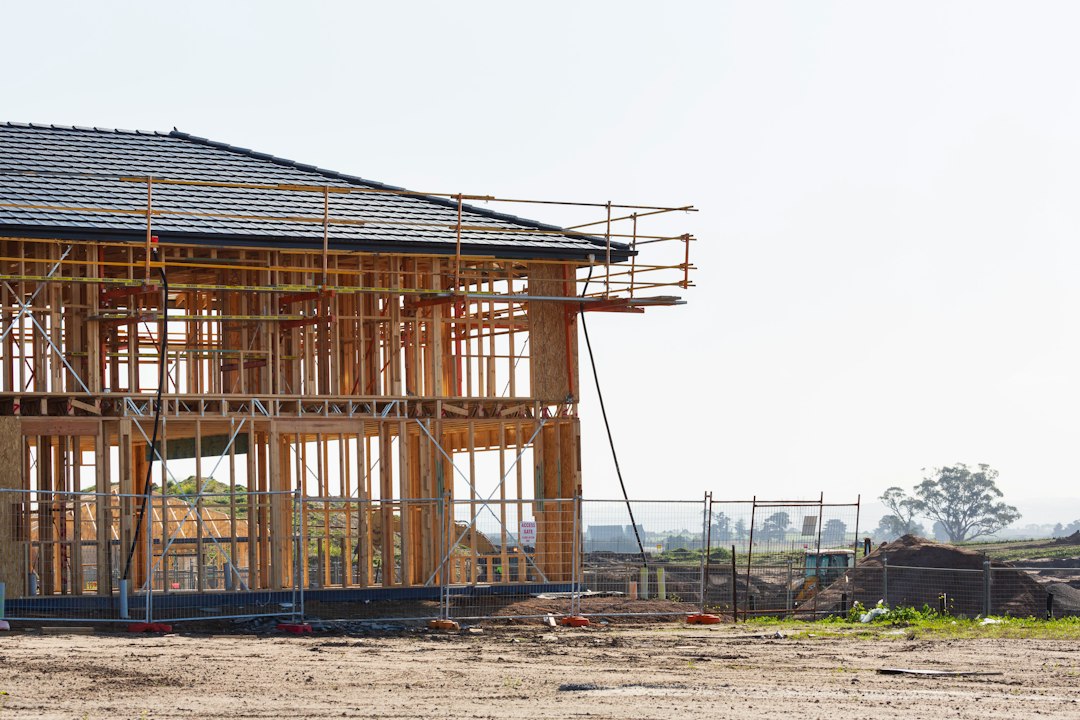
A fire damaged house can be one of the best deals in a neighborhood because most retail buyers, agents, and conventional lenders will not touch it, but it only works when your price accounts for smoke, water, structural, and insurance unknowns that a normal rehab never has. The owner’s insurance claim, not the burn marks, is usually the deciding factor in whether a deal exists.
This guide is for wholesalers and investors who want to buy, assign, or rehab fire damaged property. You will learn what to inspect, how insurance proceeds and the mortgage lender affect the seller’s numbers, how to run a maximum offer on a burned house, who buys these properties from wholesalers, and when to walk away.
Why fire damaged houses come up for sale
Fires are more common than most new investors assume. The National Fire Protection Association estimates that US fire departments responded to an average of 328,590 home structure fires per year from 2019 to 2023, causing about $8.9 billion in direct property damage annually, and that 68% of those fires were in one- or two-family homes (NFPA, Home Structure Fires). Most are small kitchen fires that insurance and a contractor handle quickly. A meaningful share leave owners with a house they cannot live in and do not want to rebuild.
Owners sell after a fire for a handful of reasons:
- They have already moved on. Displaced families often rent elsewhere for months. Some decide not to come back.
- The insurance payout falls short. Underinsurance, a lapsed policy, a denied claim, or a dispute over scope can leave a gap they cannot fund.
- The house was a rental or an inherited property. Landlords and heirs may prefer cash now over a year-long rebuild.
- The city is pushing. Code enforcement may require board-up, securing the site, or eventually demolition. A house that sits too long can end up condemned.
- They still owe the mortgage. Payments are due whether or not anyone can live in the house.
What fire actually damages
The visible char is only part of the story. When you walk a fire damaged house, look for five separate problems.
- Direct fire damage. Burned framing, roof structure, floor joists, and stairs. Charred structural members need an engineer’s opinion, not a guess.
- Smoke and soot. Smoke travels through every room, into insulation, ductwork, and wall cavities. Odor removal can require stripping drywall and insulation in rooms the flames never reached.
- Water from firefighting. Hoses can put thousands of gallons into a house. Expect soaked subfloors, ruined drywall, and wet insulation.
- Mold. If the house sat wet for weeks after the fire, mold is likely. It adds remediation cost and testing.
- Systems. Wiring near the fire often must be replaced. Melted plumbing, damaged HVAC, and a compromised electrical panel are common.
The cause matters, too. Ask for the fire department’s incident report. An electrical fire may mean the whole house needs rewiring to pass inspection, while a contained cooking fire may be mostly a kitchen and cleaning job.
Damage levels and likely exits
Every fire is different, but most fall into one of four rough categories. Use these to decide quickly who your end buyer is.
| Damage level | Typical description | Most likely exit |
|---|---|---|
| Light | Fire contained to one room, smoke throughout, no structural damage | Rehab buyer, possibly a landlord |
| Moderate | Fire in two or more rooms, some framing and roof damage, water damage | Experienced rehab buyer with fire experience |
| Heavy | Significant structural damage, roof burned through, major systems lost | Rebuild investor or builder |
| Total loss | Structure unsafe or ordered demolished | Builder or lot buyer; value is mostly land |
Insurance: the variable that makes or breaks the deal
Before you make any offer, find out exactly where the seller’s insurance claim stands. The answers change the seller’s net and their motivation.
Who the check is made out to
If there is a mortgage, the insurance company typically has to include the lender on claim checks for major repairs. The NAIC’s Post-Disaster Claims Guide, distributed by state insurance regulators, explains that lenders require being added to the policy and that owners must work with the lender to get funds released for repairs. In practice, lenders often deposit large checks into a loss draft account and release them in stages as repairs are inspected.
For a seller, that means the insurance money may not be cash in hand. It may be sitting with the lender, available to pay down the loan or rebuild, but not both.
Actual cash value vs. replacement cost
Many homeowner policies pay a claim in two parts: an initial payment based on actual cash value (repair cost minus depreciation), and the withheld depreciation once repairs are completed. A seller who sells the house unrepaired may never collect that second payment. Ask the seller to share their claim summary or adjuster’s estimate so you both know what they would be giving up.
Questions to ask every fire damaged house seller
- Was the house insured at the time of the fire, and has a claim been filed?
- Has the claim been paid, partly paid, or denied? Is it still open?
- Who has the money now: the seller, the lender, or neither?
- Is there a public adjuster or attorney involved, and what is their fee arrangement?
- Does the policy include additional living expenses, debris removal, or code upgrade coverage?
- Has the city issued any orders on the property?
Some investors negotiate to buy the house with the insurance proceeds assigned to them. That can work, but it requires the insurer’s and lender’s cooperation and a carefully written agreement. Treat it as an attorney-reviewed deal, not a template.
Due diligence before you sign
Fire properties hide problems. Build these steps into your inspection period, and write an inspection contingency long enough to complete them. In an older house, demolition after a fire can also disturb asbestos, so review our guide to asbestos testing and abatement costs before you scope the rebuild.
- Structural assessment. A licensed engineer should review charred framing, the roof system, and the foundation. Our guide to houses with foundation problems covers what engineers look for.
- Electrical and mechanical review. Many jurisdictions require full rewiring of fire-damaged areas.
- Asbestos and lead. Older homes may contain asbestos in flooring, siding, or insulation, and fire can make it friable. The federal asbestos NESHAP work practices for demolition and renovation exclude residential buildings with four or fewer dwelling units (EPA, Asbestos Laws and Regulations), but state and local rules may still require testing or licensed abatement, so check before demolition. For homes built before 1978, renovation work that disturbs paint must follow EPA’s Renovation, Repair and Painting rule using certified firms.
- Permits and code orders. Call the building department. Ask what permits the rebuild will need, whether a demolition order is pending, and whether any fines or liens have been recorded.
- Title search. Look for code liens, contractor liens from emergency board-up or water mitigation companies, and the mortgage balance. A board-up company that was never paid may have filed a mechanic’s lien.
Disclose the fire to your end buyer
When you assign or resell, share everything you learned: the fire report, the insurance estimate, engineer and contractor findings, and any code orders. Seller disclosure rules differ by state, and an assignment is not a traditional resale, but hiding a known fire problem from a buyer invites a dispute and ends repeat business. A clean information package also helps your buyer price the job faster, which helps you close faster.
Worked example: valuing a fire damaged house (hypothetical)
These numbers are hypothetical, chosen to show the math. Your market’s costs will differ.
A seller’s three-bedroom house had a kitchen fire that spread to the attic. Smoke reached every room, and firefighting water soaked the first floor. The seller and family moved into a rental and do not want to rebuild.
| Item | Hypothetical figure |
|---|---|
| ARV of a fully renovated comparable home | $280,000 |
| Rehab estimate (demo, framing, roof, rewiring, drywall, kitchen, smoke remediation) | $95,000 |
| Mortgage balance | $70,000 |
| Insurance paid so far (actual cash value, held by lender) | $60,000 |
| Withheld depreciation, paid only if repaired | $25,000 |
First, the buyer’s math. Using 70% of ARV minus repairs, a cash buyer’s ceiling is $196,000 minus $95,000, or $101,000. Check it with the MAO calculator and confirm your ARV with the ARV calculator. You offer $92,000, leaving room for your assignment fee.
Now the seller’s math. If the lender applies the $60,000 insurance check to the loan, the remaining payoff is about $10,000. At a $92,000 sale price, the seller would net roughly $82,000 before closing costs. In total, they walk away with about $82,000 in cash plus the benefit of the insurance having cleared most of their loan. They give up the $25,000 depreciation payment they would only receive by rebuilding.
Compare that to rebuilding: the seller would need to manage a $95,000 project, fund any shortfall above insurance, carry the mortgage and their rental at the same time, and wait months. For many owners, the sale is the better answer. For some, rebuilding is. Show them both honestly.
If your rehab estimate is shaky, it pays to slow down. Our guide to estimating repair costs has a line-item method that works well for fire jobs, where hidden smoke and water damage push budgets up.
The rebuild sequence your buyer will follow
Knowing the order of work helps you estimate time and explain value to buyers. A typical fire rebuild runs roughly like this:
- Secure the property. Board windows and doors, tarp the roof, and fence the site if required.
- Water extraction and drying. Remove standing water and dry the structure to stop mold.
- Demolition and debris removal. Strip burned materials, wet drywall, insulation, flooring, and cabinets. Debris hauling is often a bigger line item than beginners expect.
- Environmental testing and abatement. Test suspect materials before tearing out large areas, and abate where needed.
- Structural repairs. Replace or sister damaged framing, rebuild roof sections, and repair the foundation if heat or water affected it.
- Smoke remediation. Clean, seal, and deodorize remaining framing and surfaces so odor does not bleed through new finishes.
- Rough-ins and inspections. New wiring, plumbing, and HVAC, followed by rough inspections.
- Insulation, drywall, and finishes. Then final inspections and a certificate of occupancy where the jurisdiction requires one.
Holding costs add up
A fire rebuild usually takes longer than a cosmetic flip because of permits, inspections, and demolition. Your buyer is paying property taxes, insurance on a vacant property (often harder to get and more expensive), utilities, and loan interest the whole time. When you pitch the deal, show a realistic timeline. Buyers trust wholesalers who price in the delays instead of hiding them. If the owner has walked away from a burned house entirely, our guide to buying an abandoned house covers how to track them down.
Who buys fire damaged houses from wholesalers
Not every buyer on your list wants a burned house. Build a short list of buyers who do.
- Rehabbers with fire experience. They know restoration contractors and how to price smoke remediation.
- Restoration companies that also invest. Some fire and water mitigation firms buy properties outright.
- Builders and lot buyers. For heavy damage or total losses, the value is the lot and the ability to build new.
- Buy-and-hold investors for light-damage properties in good rental areas.
Financing is limited. Many lenders will not lend on a house that is uninhabitable, so your buyers will usually be paying cash or using hard money or private lenders familiar with heavy rehabs. Price and timeline your deals accordingly. When a property needs more work than a rehabber wants but still has a solid lot value, consider wholetailing only if the damage is light enough to clean up and list.
How to find fire damaged property leads
- Local news and community posts. House fires are often reported locally. Wait a reasonable time before reaching out, and be respectful.
- Code enforcement lists. Boarded or unsafe structure lists frequently include fire houses. See our guide to code violation leads.
- Driving for dollars. Boarded windows, roof tarps, and dumpsters stand out.
- Restoration and board-up contractors. They meet owners at the worst moment. Some will refer owners who decide not to rebuild.
- Real estate agents. Agents who get fire listings often prefer a fast cash sale to a long marketing period.
Some states limit how soon public adjusters and contractors may solicit owners after a loss. Even where nothing restricts investors, give families time. A letter a few weeks later, offering options rather than a lowball, gets better responses and protects your reputation.
When a fire damaged house is the wrong deal
- The insurance claim is unresolved and disputed. Buying into an active coverage fight can leave you with a house and no clarity on what the seller owes or receives. Wait until the claim settles, or structure carefully with an attorney.
- The lender has not agreed to release the lien. If insurance money and sale proceeds will not cover the payoff, the deal becomes a short sale.
- Structural damage is unknown. Without an engineer’s opinion, you are guessing at the biggest line item.
- The city has ordered demolition. Your end buyer may be buying a lot plus a demolition bill on a deadline.
- Your buyers list has no fire buyers. If nobody on your list has bought heavy rehabs, your assignment may not sell.
- You are relying on a contractor’s verbal estimate. Smoke and water damage hide. Get written bids or build in a large contingency.
Fire damaged house FAQ
Is it worth buying a fire damaged house?
It can be, when the purchase price reflects the full rehab, the holding time, and the risk of hidden damage. The best fire deals have clean title, a settled insurance claim, and a damage level that matches a buyer you already know.
Can you get a regular mortgage on a fire damaged house?
Usually not while it is uninhabitable. Most fire damaged purchases are made with cash, hard money, or private loans, and some owner-occupants use renovation loan programs that finance repairs along with the purchase.
Who gets the insurance money when a fire damaged house is sold?
The policyholder and any lender named on the policy, under the policy terms and the mortgage. The buyer generally does not receive it unless the proceeds are formally assigned with the insurer’s and lender’s cooperation.
How do you get the smoke smell out of a fire damaged house?
Light odor may respond to cleaning, sealing, and professional deodorizing. Heavy smoke often requires removing drywall, insulation, and ductwork in affected areas. Budget for the heavier scope until a restoration contractor tells you otherwise.
Fire damaged property rewards investors who slow down long enough to understand the claim, the damage, and the buyer before they sign.
Wholesaling guides for top markets
Price your next fire damaged deal with confidence
Download the free starter kit: a deal analyzer for heavy rehabs, starter contracts with inspection contingencies, a seller script for sensitive conversations, and a buyer’s list checklist to find rehabbers who take on fire jobs.
Related guides
Fresh from the blog
Latest wholesaling guides

Massachusetts Foreclosure Process: A Stage-by-Stage Guide for Investors
The Massachusetts foreclosure process is mostly nonjudicial: after a 90-day right-to-cure notice and a short servicemembers case, the lender can…
Read the guide
Tired Landlords: How to Find Them, What to Say, and Deals That Fit
Tired landlords are rental owners who no longer want to deal with tenants, repairs or management and will trade some…
Read the guide
SEO for Real Estate Investors: How to Rank for Motivated Seller Searches
SEO for real estate investors means getting your website in front of homeowners who search for a fast or as-is…
Read the guide
How to Calculate Price Per Square Foot (and When It Misleads)
To calculate price per square foot, divide a home's sale price by its finished, above-grade living area. The math is…
Read the guide
How to Buy an Abandoned House: Find the Owner, Clear Title, Close
To learn how to buy an abandoned house, start with the fact most guides skip: someone still owns it. You…
Read the guide
DealMachine vs PropStream: Which Is Better for Finding Deals?
DealMachine vs PropStream compared: pricing, driving for dollars, list building and which tool suits a new wholesaler.
Read the guide
PropStream vs BatchLeads: Which One Should a Wholesaler Pick?
PropStream vs BatchLeads compared for wholesalers: pricing, data, skip tracing, texting and which one fits your first deals.
Read the guide
Liquidated Damages in Real Estate: How the Clause Protects Wholesalers
Liquidated damages in real estate are a sum, usually the earnest money, that the seller keeps as full compensation if…
Read the guide
Lead-Based Paint Disclosure: What Investors Must Do Before Selling or Renting
A lead-based paint disclosure is required before a buyer or tenant is bound on any home built before 1978. Here…
Read the guide